Introduction
Our storytelling hinges on many elements, but few are as impactful as tone. In screenwriting, mastering tone can mean the difference between a fully immersed audience and a completely disengaged one.
At its core, tone sets the mood, establishes expectations for the audience and determines how they emotionally connect with our stories.
In today’s blog, we’ll delve into what tone is, how you can craft it effectively in your own work, as well as what pitfalls to avoid. As always, Celtx is always here to make the process more manageable!
Let’s dive in.
What is Tone?
Tone in screenwriting refers to the emotional atmosphere or attitude conveyed through your story. Whether it’s eerie, comedic, romantic or action-packed, it’s all about how your screenplay feels.
Tone is derived from a blend of dialogue, pacing, visuals, music, and even the rhythm of your scenes. It all fits together like cogs in a machine.
For example, a horror screenplay like Hereditary sets a dark, unsettling tone with oppressive visuals and haunting musical score. On the flip side, a coming-of-age comedy like Lady Bird captures a light-hearted yet poignant tone captured through witty dialogue and vibrant imagery.
Tone is both the emotional core of your screenplay but also acts as a unifying thread that ties all elements together.
Why Tone Matters
Tone is crucial to your story as it shapes how your audience perceives and experiences it. By setting clear expectations through tone, you build trust in your narrative and evoke specific emotions from your audience.
If the tone isn’t quite clear, viewers can be left feeling disconnected and struggling to follow the story. For example, imagine you’re watching a horror movie, and it suddenly slips into slapstick comedy without a clear purpose. You’ve be left feeling confused, not knowing whether to laugh or scream!
Tone also influences the relatability of your characters and the believability of your world. An inconsistent or inappropriate tone can undermine even the most compelling plot. It’s extremely important for us as screenwriters to understand and control the tone of our writing, to craft a cohesive and engaging screenplay.
Aligning Tone with Genre
If you’re struggling to identify the underlying tone of your story, first look at the genre. Genre often dictates the baseline tone of your screenplay.
A sci-fi thriller like Blade Runner 2049 would naturally demand a very different tone than a YA rom com like XO, Kitty. Genre provides a framework from which to build up your tone using your unique voice and perspective.
Let’s take a closer look at some effective examples of how genre informs tone.
Sci-Fi Thriller – Blade Runner 2049
This movie exemplifies a contemplative and atmospheric tone through its moody visuals, strong, deliberate pacing, and immersive sound design. The opening page of the screenplay by Hampton Fancher and Michael Green thrusts us into a world of technology (sci-fi), with the thriller elements coming in through the “dry and inhospitable” landscape in the opening frames. It’s eerie, and extremely atmospheric.
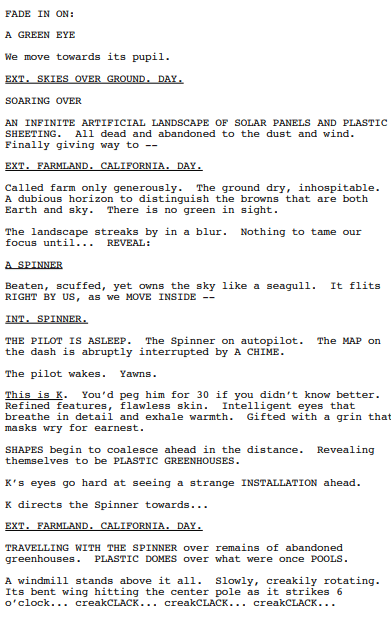
The tone underscores the existential themes and moral ambiguity that’s at the narrative’s core, and that we usually would find within the sci-fi genre.
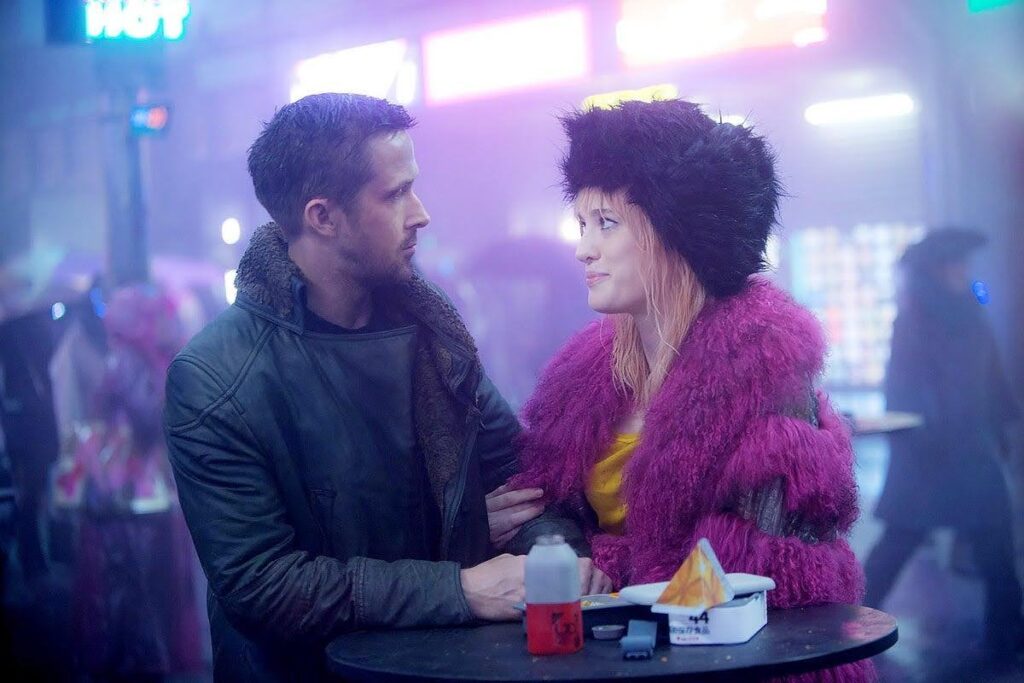
YA Romantic Comedy – XO, Kitty
Conversely, the bright visuals, playful music, and snappy dialogue in XO, Kitty establish a light, whimsical tone that perfectly matches the story’s central romance.
Its tone takes the audience on a feel-good journey through love and self-discovery, perhaps bringing back memories of young love and how it made them feel.

Fantasy Adventure – The Witcher
This series is a cocktail of dark, gritty elements combined with moments of charm and humor.
The witty dialogue and dynamic character interactions set against a backdrop of muted colors and epic fantastical music balance each other out well, preventing the tone from becoming overly somber or too light-hearted.

From these hit movies and TV shows, we can see how tone complements genre and in turn, enhances the overall storytelling.
TOP TIP: When you’re developing your own screenplay, study similar scripts in the same genre to identify tonal patterns and where you can put your own spin on things.
How to Nail the Right Tone
Now we know how tone can set the right mood for a story; we can explore how to master it.
Crafting tone successfully in any screenplay requires you to make deliberate choices across several storytelling elements. Here are some techniques to help you get it right:
Pacing
The rhythm of your scenes directly impacts the tone that’s then created. For example, fast-paced editing creates excitement or tension, while slower pacing can evoke dread or reflection.
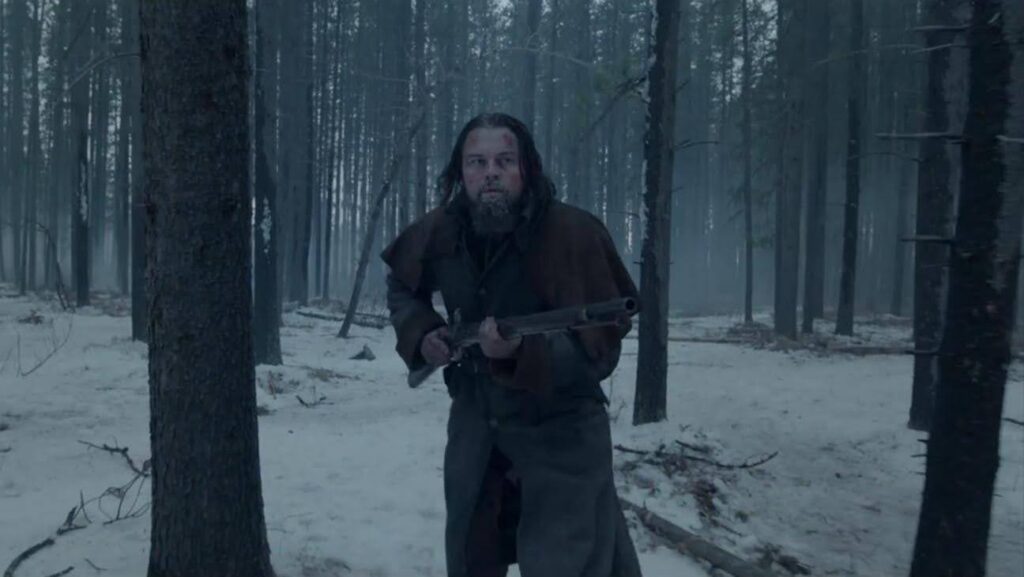
Take Mad Max: Fury Road. The action sequences throughout the movie use relentless pacing to maintain an adrenaline-charged tone. On the opposite side of the spectrum, the deliberate pacing of The Revenant creates a somber, reflective tone.
Dialogue and Characterization
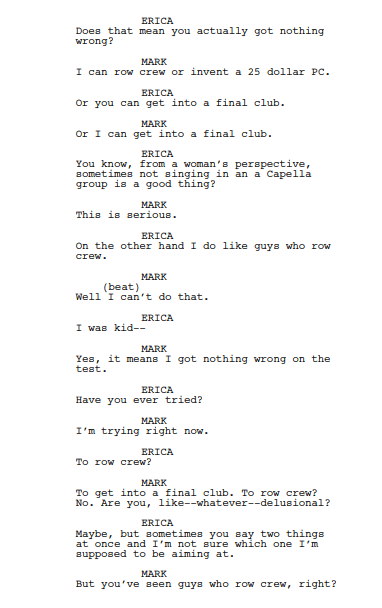
How characters speak and interact conveys a great deal about tone. While sharp, sarcastic dialogue sets a comedic tone, cryptic or sparse dialogue creates intrigue.
In this scene from The Social Network, Aaron Sorkin’s rapid, clever dialogue enhances the intellectual competitiveness of the story’s tone. We see Erica, Mark Zuckerberg’s girlfriend, break up with him, but it’s no conventional break up conversation.
Visuals
As you’re writing, consider the color palette, lighting and camera angles. For example, a warm, pastel palette might suggest a light-hearted story, while shadowy, desaturated visuals evoke mystery or fear.While you should leave the finer details of these to a cinematographer and director, you should consider these details through your settings. Movies like Moonlight or The Grand Budapest Hotel are masterclasses in how visuals establish tone.
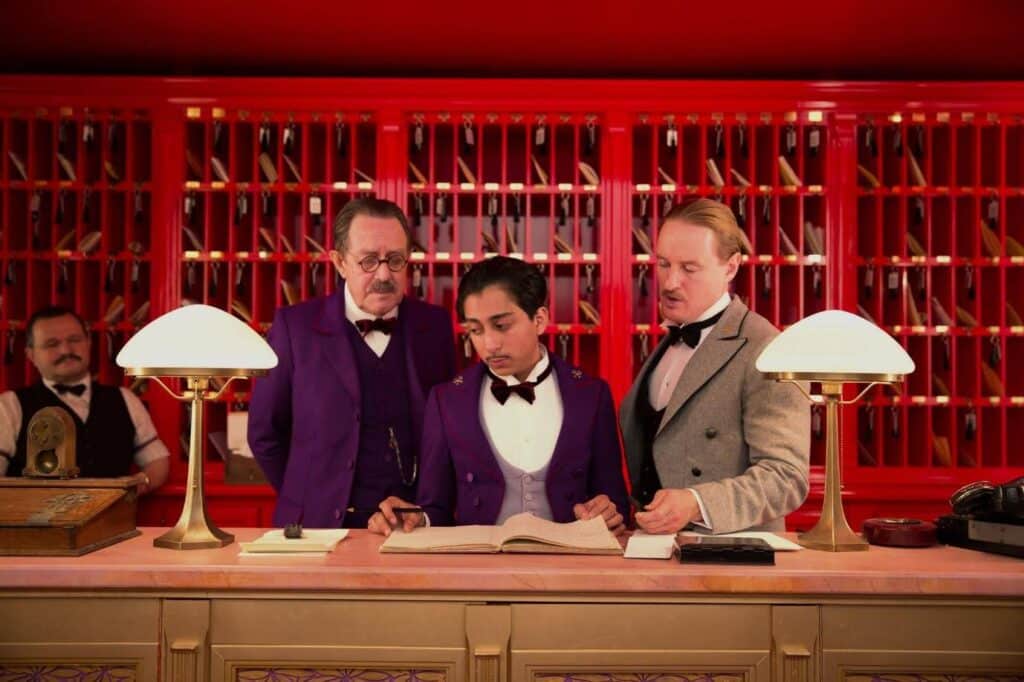
Music, mood, and meaning — plan it all in Celtx’s pre-production suite.
Consistency and Transitions
Tone doesn’t always need to remain consistent all the way through a story. Intentional tonal shifts can be impactful, but they need to be executed thoughtfully.
Quentin Tarantino is a master of tonal shifts, often balancing humor and violence in his movies. He uses abrupt shifts to surprise and engage his audiences.
If you’d like your script to transition from one tone to the other, they must serve a narrative purpose and be supported by its fellow elements like visuals and pacing.

Music and Sound Design
Music is one of the most powerful tools for setting tone. It can dramatically shift a single scene in a split second. For example, a character could be walking in an empty house. Suspenseful music helps the scene feel ominous, whereas a cheerful tone could make it more comedic.
Again, while as a writer you won’t have direct control over music most of the time, it’s still important to consider the impact it’d make on your story.
Take the opening scene for Guardians of the Galaxy. We begin with a melancholy mood, a dark atmosphere of a planet. Then, the music starts…
The introduction of “Come and Get Your Love” immediately shifts the tone from melancholy to quirky, reflecting Peter Quill as a character, and his love for his music as well as setting the audience’s expectation for the rest of the movie, all within the first few minutes.

Here are some more of our favorite picks of movies that experienced a tonal shift and did it well!In Boogie Nights (1997), the movie takes a turn from a comedy to a tragedy at the New Year’s Eve Party.
Another Paul Thomas Anderson classic, Inherent Vice (2014), is a myriad of twists, turns and tonal shifts. The plot is very tricky to follow (technically there isn’t a plot to it), constantly keeping the audience on their toes (you may have to visit YouTube to watch this clip, but it’s worth it!).
Tone Pitfalls to Avoid
There is a fine line between successfully setting the tone and just missing the mark. But don’t panic, we have compiled the most common pitfalls you can avoid when crafting the tone for your next screenplay.
Inconsistency
While you can have shifts in tone, as we’ve seen already, shifts that feel unintentional or jarring can ultimately eliminate your audience. As you’re writing and in rewrites, ensure your tone aligns with your story’s emotional beats and genre conventions.
You can test your screenplay by reading scenes aloud or sharing them with trusted readers to identify any inconsistencies.
Overloading the Audience
There may be a few shifts in tone throughout your script but be careful not to blend too many together and confuse your audience. While mixing tones can be effective, avoid overwhelming your audience by staying focused on the emotional core of your story.
Ignoring Genre
As we discussed at the beginning of this blog, tone should complement your genre, not contradict it. For example, a dark somber tone may feel out of place in a light-hearted rom com unless the contrast is intentional and executed well.

Can Celtx help with tone?
The answer is yes! Screenwriting tools like ours can be invaluable for mastering tone. Here at Celtx, our screenwriting software is filled to the brim with features, templates and guides to help you craft your screenplay’s tone.
Let’s explore!
Scene Breakdown
Celtx allows you to break your screenplay into scenes, which makes it so much easier to analyze your tone and adjust it where needed. By breaking your script down into manageable chunks like this, you can also track tonal shifts and ensure consistency.
Check out our Script Breakdown Masterclass to gain all the knowledge you need!
Visual References
As well as breaking down your script, you can integrate it with visuals, allowing you to align your tone with specific imagery. Upload everything from photos and sketches to mood boards to help you visualize your story’s atmosphere.
Collaboration Tools
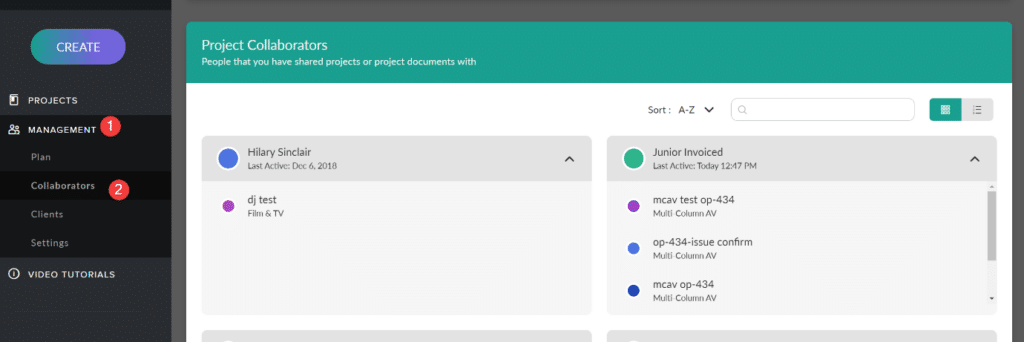
We love collaboration at Celtx, so it’s easier than ever to share your screenplay with collaborators using our software. Receive feedback not just on tone but on your entire script to help you identify any inconsistencies or suggest improvements.
Storyboarding and Pre-Visualization
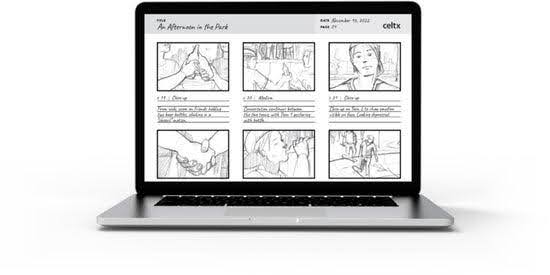
To really visualize how your script will come to life on screen, create storyboards within Celtx to experiment with visuals and pacing. Our storyboards will allow you to test how tone translates from script to screen.
Notes and Tagging
Celtx notes and tags can be used to mark tonal elements in your screenplay. To utilize them when crafting your tone, you could highlight scenes where music or dialogue plays a key role in establishing the tone.
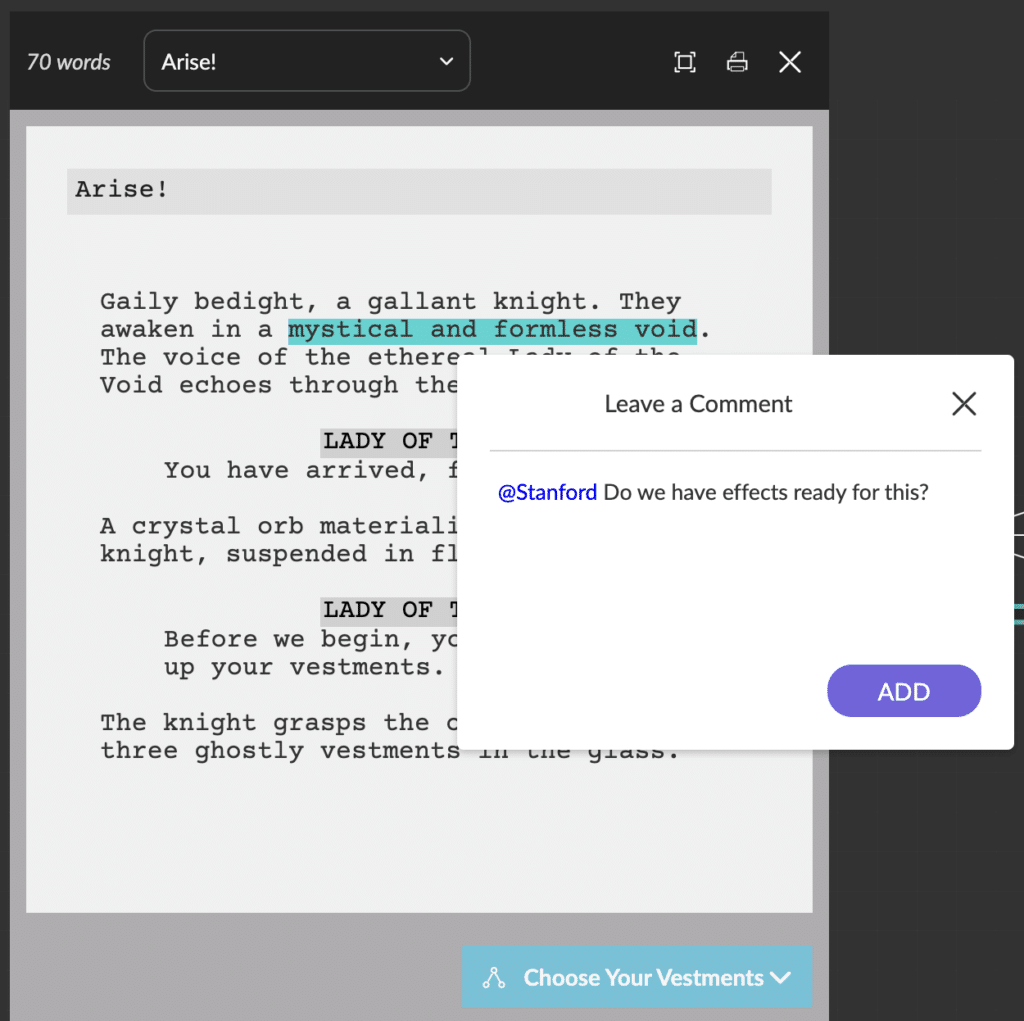
Script Insights
Track trends in your screenplay such as recurring tonal motifs or scenes that may be deviating from the established tone, with Celtx’s script reports.
These reports can help you guide your revisions and rewrites, keeping everything organized. For all you need to know on script insights and reporting in Celtx, click here.To find out how Celtx is so much more than a screenwriting tool and can help you execute your next project, click here.
Conclusion
Tone is the soul of your screenplay, determining how your story feels, resonates, and connects with your audience. Whether you’re crafting a dark, brooding sci-fi epic like Blade Runner 2049 or a light-hearted YA romcom like XO, Kitty, understanding and mastering tone is essential to a successful and impactful script.
By intentionally leveraging elements such as pacing, music, visuals, and dialogue, you can create a tone that enhances your narrative and engages viewers on a deeper level.
Avoid common pitfalls like tonal inconsistency or overloading your audience and use tools like Celtx to streamline the process. With our tools, you can visualize your tone, collaborate effectively, and refine your screenplay to achieve tonal perfection.
Remember, a well-crafted tone not only complements your genre but also elevates your storytelling, leaving a lasting impact on your audience. Dive in, experiment, and make your screenplay truly unforgettable.Whichever genre your screenplay, we have a blog for that with our Mastering the Art of Screenwriting series – more coming soon!
Ready to learn more about screenwriting? Try these articles next:
- 9 Creative Ideas to Start Your Next Script
- What is a Slugline? Definition & Examples
- 10 Essential Tips for Landing a Job in Screenwriting