There’s a reason why thriller movies keep us glued to our seats, popcorn forgotten, hearts pounding. The best thrillers aren’t just entertaining… they’re gripping as they twist our expectations and leave us breathless.
But how do you write a thriller script that delivers? How do we, as screenwriters, craft a story that keeps readers and viewers on the edge of their seat, desperate to know what happens next?
Well, if you’re itching to write a thriller that’s more than just a collection of random jump scares and plot twists, you’ve come to the right place! In today’s addition to our genre-focused screenwriting series, we’ll be breaking down what makes a thriller tick, discovering the differences between thriller and horror (yes there are differences!) and we’ll even take a look at some of the best thrillers around to spark your imagination.
So, let’s go…
Table of Contents
- What is a Thriller (and what is it not?)
- The Core Ingredients of a Thriller
- Plotting the Thriller
- Horror vs. Thriller: What’s the Difference?
- Crafting Suspense
- Iconic Examples
- Writing for the Reader
- FAQs
- Conclusion
What is a Thriller? (And what is it not?)
First things first, let’s get clear on what a thriller actually is.
A thriller is a story designed to keep the audience on edge, balancing suspense, tension, and surprise.
Thrillers are not defined by gore (that’s horror) or gunfights (that’s action). Instead, thrillers play with uncertainty. They force audiences to lean in, asking questions like:
Who can I trust?
What happens if the truth comes out?
Will the hero make it in time?
Think of it this way: if horror is about the fear of the unknown, thrillers are about the fear of the inevitable. We know something’s coming, and the thrill is in waiting for it to drop.
But more on horror vs. thriller later. Next, let’s dive into…
The Core Ingredients of a Thriller
Like any recipe, a thriller needs the right ingredients in the right proportions. Here are your essentials:
1. The Protagonist
Your hero doesn’t have to be a super-spy or hardened detective. In fact, thrillers often shine when the protagonist is ordinary; someone who is thrust into extraordinary circumstances. Think Rachel in The Girl on the Train or Chris in Get Out).

2. The Antagonist
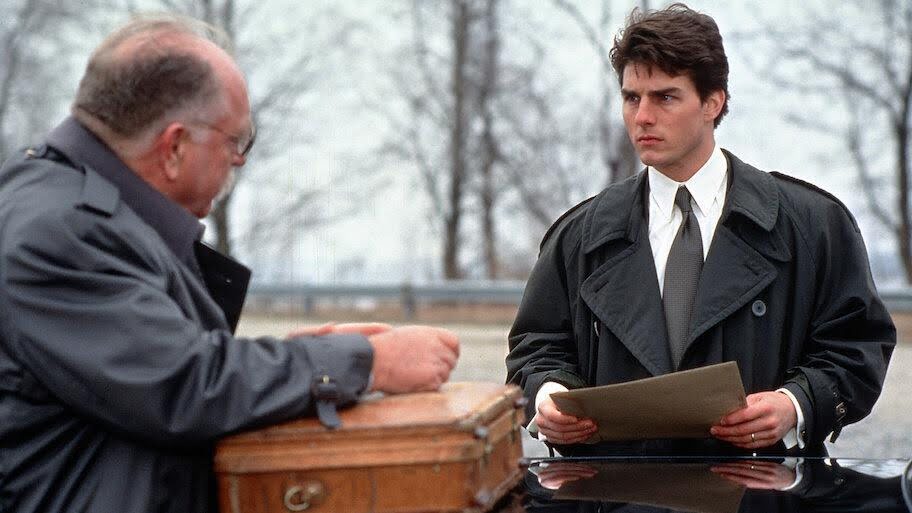
The villain of the thriller isn’t always a mustache-twirling psychopath. Sometimes the antagonist is a system (like in Spotlight), an institution (think The Firm), or even the protagonist’s own flaws (like in Black Swan). What matters is that they’re a credible, formidable threat.
3. The Stakes
If nothing’s at risk, there’s no reason to care. Stakes in thrillers are often deeply personal (a loved one in danger) or societally large (a conspiracy that could topple governments). The higher and clearer the stakes, the more invested your audience will be.
4. Time-Based Tension
Tick, tick, tick. Thrillers thrive on urgency. A deadline, a chase, a countdown clock; they all force momentum. Even if there isn’t a literal ticking clock, create one metaphorically. Something has to happen before everything else does.
5. Escalation
A thriller should never plateau. The protagonist’s world should grow smaller and more dangerous with each scene. The walls should close in, options should narrow, and the pressure should mount until the climax feels inevitable.
“A great thriller, to me, is more about creating a sense of unease: a queasiness that comes with knowing something is not quite right.” – Gillian Flynn
Plotting the Thriller
Plotting a thriller is like building a rollercoaster: you need climbs, dips and sharp turns. But it must be carefully engineered.
First, we recommend going high-concept. Thrillers often work best when they can be pitched in a single line that immediately communicates danger and intrigue. Just like this:
A man must prove his innocence after being framed for murder. (The Fugitive)
A young woman suspects her husband is not who he seems. (Sleeping with the Enemy)
It’s this clarity that keeps your story tight and your audience hooked.
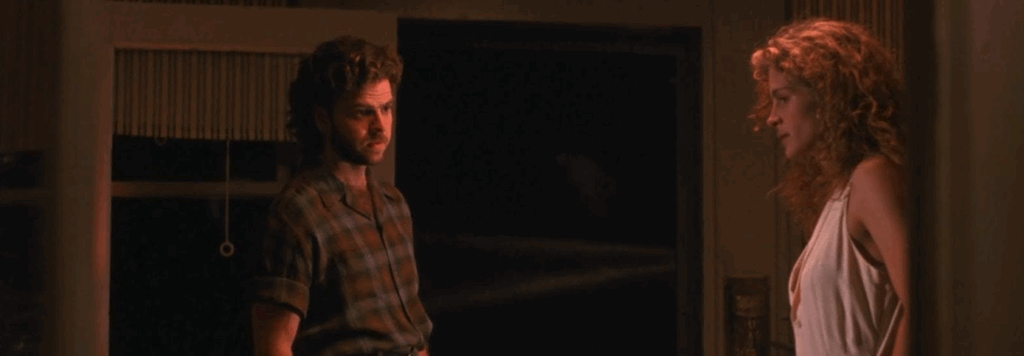
Secondly, you should build escalation into the structure. Your story should build like a tightening noose. Start with tension, raise the stakes, pull the rug, raise them again. Each act should feel like things are spiraling further out of control.
Thriller scripts require careful planning. Use Celtx’s Beat Sheet tool to organize your twists and turns and keep your audience on the edge of their seat.
Horror vs. Thriller: What’s the Difference?
It’s easy to confuse thrillers with horror since both can make audiences squirm. But the difference comes down to focus:
Horror: The primary emotion is fear. You’re afraid of what’s in the shadows.
Thriller: The primary emotion is suspense. You know what’s coming, you just don’t know how or when.
If you want the full breakdown, head on over to our blog post Horror vs. Thriller: What’s the Difference? A Guide to Two Genres of Fear.
Crafting Suspense
Okay, so we’ve talked a lot about how thrillers need to create and escalate suspense. But how exactly do you do that?
Suspense isn’t magic, it’s craft. Here are five techniques you can use to pack your script with tension:
1. Foreshadowing
Plant small clues early in the script that hint at bigger reveals later. It’s not about spoiling, but about creating anticipation.
2. Red Herrings
Lead your audience down false paths. Let them suspect the wrong character, trust the wrong person, or misinterpret the clue. When the truth emerges, the twist feels earned.
3. Subverting Tropes
Audiences know the ‘rules’. They expect the car not to start, the phone line to be cut. Surprise them by breaking the pattern. Maybe the car does start, but it leads them straight into the antagonist’s trap.
5. Withholding Information
Sometimes what you don’t show is more anxiety-causing than what you do. By strategically holding back information (or only showing fragments), you keep the audience guessing.
6. Shifting Power Dynamics
In thrillers, tension often spikes when power shifts unexpectedly. The hunted becomes the hunter, the victim outsmarts the villain, or the ally reveals their betrayal.
“… I have to describe what I think is my responsibility as a thriller writer: To give my readers the most exciting roller coaster ride of a suspense story I can possibly think of.” – Jeffery Deaver
For more on creating nail-biting suspense in your screenplay, check out this awesome video from James A. Hurst for even more tips:
Iconic Examples
You now know thrillers inside and out, right? Well, let’s take a peek into a few standout thriller moments and make sure!
SPOILER ALERTS possible if you haven’t seen these movies (but if you haven’t where have you been?!)
Gone Girl (2014) | The Media Spin
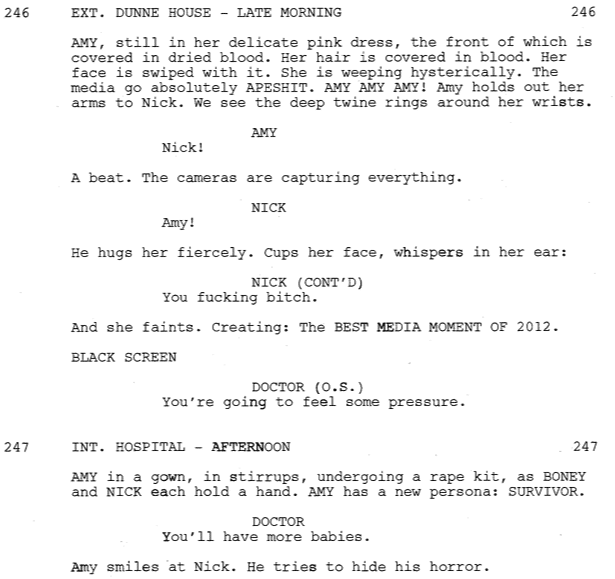
When Amy reappears, bloodied but alive, the audience expects resolution. Instead, the tension escalates: she controls the narrative, manipulates public sympathy, and traps Nick in a twisted marriage.
It’s a perfect example of how thrillers keep raising the stakes after the apparent climax.
Se7en (1995) | The Box Scene
Detectives Mills and Somerset finally confront John Doe, only to have the villain turn the tables with his final, devastating move. The sequence is pure thriller: psychological manipulation, unbearable suspense, and a shocking inevitability that sticks with audiences long after the credits roll.
Prisoners (2013) | The Shower Scene
Keller Dover tortures Alex in a desperate bid for answers. The suspense comes not from gore but from moral ambiguity: how far will a father go to save his child? The tension is both intimate and unbearable, a hallmark of strong thriller storytelling.
The Fugitive (1993) | The Dam Chase
Dr. Richard Kimble, wrongly accused of murder, finds himself cornered by U.S. Marshal Samuel Gerard on a dam. Kimble leaps rather than surrenders, a desperate choice that escalates both the stakes and the pace. It’s a classic example of time-based tension and a protagonist pushed to their absolute limit.
Writing for the Reader
Remember, before your script hits the big screen, it lives on the page. And your first audience isn’t the moviegoer; it’s the person reading your script.
So, how do you make the reading experience the best it can possibly be? More top tips coming your way in 3… 2… 1…
Keep Action Lines Clean
Thriller scripts should move fast. Action lines should be short, punchy, and visual. No dense paragraphs. Think of them as camera cuts which are precise, clear, and urgent.
Dialogue as a Weapon
In thrillers, every line of dialogue should carry weight. Use it to reveal secrets, mask intentions, or set traps. A casual conversation can be more dangerous than a gun if written right.
Format for Flow
Don’t underestimate how your script looks. White space, pacing, and scene transitions affect how quickly a reader moves through your pages. A thriller script should feel like a fast read, with no bogging down in exposition.
Take Amy’s return scene from Gone Girl that we explored earlier. Gillian Flynn writes this scene with the audience in mind. The script breathes within white space, with minimal dialogue; the visuals do the talking.
FAQs
Not always, but audiences expect at least one surprise. A good twist isn’t about shock value; it’s about inevitability. The best twists feel surprising and inevitable in hindsight.
Absolutely. Thriller + sci-fi (Minority Report), thriller + romance (Sleeping with the Enemy), thriller + comedy (Game Night). Hybridization can make your script fresh as long as suspense stays central.
Most fall between 100–120 pages. But pacing matters more than page count. If every scene drives suspense, readers won’t notice the length. Think of it this way, a 110-page script that races is better than a 95-page script that drags.
Clichés kill suspense, and the way to avoid them is by subverting expectations. If the audience expects the car not to start, have it start perfectly, only for the GPS to lead the character into danger. Think about the audience’s knowledge: they’ve seen a thousand thrillers. Your job is to surprise them without breaking the rules of plausibility.
“Ultimately, a great thriller is a roller coaster ride. I like to think that’s a promise I have never failed to keep, and one that I’d say has served my books well.” – James Patterson
Conclusion
Thrillers are the ultimate storytelling tightrope walk. You’re constantly balancing what the audience knows, what they think they know, and what you’re holding back for just the right moment. That dance of suspense, tension, and surprise is what makes thrillers unforgettable.
And here’s the good news: you don’t need to be Hitchcock to pull it off. You just need a strong idea, characters worth rooting for (or fearing), and the willingness to turn the screws a little tighter in every scene.
Don’t wait for the “perfect” concept. The only way to learn to write thrillers is to write one. Put your protagonist in an impossible situation, raise the stakes, and see how they claw their way out, or don’t. You’ll surprise yourself as much as your audience.
Because at the end of the day, writing a thriller isn’t just about scaring people or shocking them. It’s about giving them that electric, edge-of-the-seat feeling that keeps them turning pages or watching just one more scene.
Ready to write a thriller that will keep the audience guessing? Sign up for Celtx today.
Up Next:

What Is Exposition? (And How to Write It Without Losing Readers)
In thrillers, what you reveal — and when you reveal it — matters. Master exposition to keep your audience guessing.
Follow us on social media for more screenwriting tips, tricks, and insights
Catch up on the rest of our genre-focused screenwriting series:
- Horror: From Dreams to Screams
- Horror: How to Write a Horror Script Part 2
- Science Fiction: Beyond the Stars
- Comedy: Timing, Characters, and Chaos
- Drama: Human Stories, High Stakes
- Rom-Com: From Meet-Cutes to Happy Endings
- Holiday: Crafting Seasonal Magic
- Documentary: Research and Reality
- Skit: Writing Punchlines that Land
- Romance: How to Sweep Audiences Off Their Feet
- Mystery: Leaving Breadcrumbs Without Losing the Plot
- Musical: Writing Rhythm & Emotion
- Action: Writing Momentum on the Page
- Fantasy: Legacy and Lore
- Period: Pieces with a Punch – Writing a Historical Script
- Adventure: From Quests to Climax
- Children’s: Magic, Mischief, & Morals