Key Takeaways
- A villain is a morally destructive character whose goals and methods place them in direct conflict with the central ethics of your story.
- The most compelling villains are not purely evil; they operate on a clear internal logic and act as a dark reflection of the protagonist’s core flaw.
- To write an unforgettable villain, give them a concrete goal, personal stakes with the hero, and build out their psychological profile in a character profile.

Introduction
A great villain does more than threaten the hero. They expose weaknesses, force difficult choices, and place pressure on the story’s central values. They may be terrifying, charismatic, sympathetic, or disturbingly ordinary, but boy are they rarely forgettable?
The strongest villains have their own desires, beliefs, methods, and reasons for acting. Even when their behaviour is cruel or destructive, they usually believe they’re pursuing something necessary. However, not every character who opposes the protagonist is a villain. Antagonists, nemeses, and antiheroes can all create conflict without serving the same narrative function.
In today’s guide for screenwriters and storytellers, we’ll take a deep dive into those differences and how they can help us create villains who feel like complete characters rather than convenient sources of danger.
So, without further ado…
What Is a Villain?
A villain is a character whose harmful choices, goals, or methods place them in moral opposition to the story’s central values.
They may seek power, revenge, control, wealth, recognition, destruction, or survival. Some knowingly embrace cruelty. Others believe their actions are justified by a greater purpose.
A villain might:
- deliberately harm innocent people
- exploit fear, weakness, or trust
- pursue a goal without regard for its human cost
- use manipulation, violence, or corruption
- believe certain people are expendable
- force the protagonist to confront a moral choice
Villains don’t need to be entirely evil. They can love their families, experience grief, show humour, or possess admirable qualities. Complexity makes a villain believable, but it doesn’t erase responsibility for what they do.
Villain vs Antagonist
An antagonist is any person, force, system, or situation that opposes the protagonist’s goal, while a villain is a morally destructive character. These roles often overlap, but they’re not identical.
In a sports drama, the opposing team may be the antagonist without behaving villainously. In a survival story, the antagonist might be the weather, an illness, or the environment. A parent preventing their child from taking a dangerous risk may oppose the protagonist while acting from genuine concern.
In short, a villain usually acts as an antagonist, but an antagonist doesn’t have to be a villain.
Villain vs Nemesis
A nemesis is a recurring rival or opponent who has a particularly personal connection to the protagonist. The relationship may be built on shared history, opposing beliefs, professional competition, revenge, or mutual obsession.
Sure, a nemesis can be a villain but doesn’t have to be. For example, Sherlock Holmes and Professor Moriarty are intellectual opposites whose rivalry becomes deeply personal. In other stories, two detectives, athletes, lawyers, or superheroes may become nemeses while still respecting one another.
Villain vs Antihero
An antihero is usually the protagonist, even though they lack the qualities associated with a traditional hero. They may be selfish, dishonest, violent, cynical, or morally inconsistent. However, the audience experiences the story primarily through their choices and perspective.
A villain may also be the central character, but the terms describe different things. A protagonist can begin as an antihero and gradually become a villain. Walter White’s journey in Breaking Bad, for example, becomes increasingly focused on the damage he causes rather than the excuses he gives for causing it. If you are currently building out an antagonist’s turn across multiple acts, organizing these character shifts in a character questionnaire keeps their transformation grounded.
What Makes a Great Villain?
A Clear Goal
A villain needs to want something specific. They may want to control a kingdom, punish someone who betrayed them, prove their superiority, protect their legacy, or reshape society according to their beliefs. The clearer the goal, the more directly the villain can affect the plot.
Understandable Motivation
Of course, the audience doesn’t need to agree with the villain, but they should understand why the goal matters to them. Fear, humiliation, grief, ambition, insecurity, love, and resentment can all produce dangerous decisions.
A Personal Connection to the Hero
A villain becomes more powerful when they challenge the protagonist personally. They may share the hero’s central flaw, represent the person the hero could become, or understand a weakness that no one else can exploit.
Control Over the Story
A great villain creates consequences. Their choices force the protagonist to act, change the direction of the plot, and make safety increasingly difficult.
A Consistent Worldview
Memorable villains often follow a recognisable internal logic. They may believe that order matters more than freedom, that strength determines worth, or that suffering is necessary for progress.
Meaningful Contradictions
A ruthless villain may be gentle with one person. A charismatic leader may be terrified of appearing weak. Someone obsessed with loyalty may betray everyone around them.
Real Consequences
The story should show the damage the villain causes. Charisma, humour, or a tragic history should not make their victims irrelevant. The consequences of their actions then preserve the moral weight of the conflict.
Types of Villains
The Tyrant
The tyrant seeks control over people, institutions, or entire societies. They often believe stability justifies oppression and may present obedience as protection.
The Mastermind
The mastermind works through strategy, manipulation, and long-term planning. They remain several steps ahead, forcing the hero to understand the plan before they can stop it.
The Corrupted Idealist
This villain may begin with a reasonable goal but adopts increasingly harmful methods. They believe the outcome is important enough to justify sacrifice, deception, or violence.
The Force of Chaos
This character wants disruption rather than conventional power. They expose hypocrisy, destroy order, and force other characters into unpredictable situations.
The Personal Avenger
Revenge drives this villain. Their grievance may be understandable, but their desire to punish expands beyond the person originally responsible.
The Monster
The monster creates fear through overwhelming danger, cruelty, or an apparent absence of empathy. A human villain can function as a monster, while a literal creature may become more complex if it demonstrates intelligence or motivation.
The False Friend
This villain gains access through trust. They may act as a mentor, partner, colleague, or family member before revealing how they have used the relationship.
The Systemic Villain
Sometimes the villain is supported by an organisation, culture, government, company, or social structure. An individual may represent the system, but the story makes clear that defeating one person will not solve the entire problem.
10 Iconic Villains and Why They Work
1. Darth Vader | Star Wars (1977-Present)
Darth Vader combines physical threat, authority, mystery, and emotional tragedy. His connection to Luke Skywalker transforms him from a powerful enemy into a deeply personal challenge. He also represents the path Luke fears he could follow.
2. Hannibal Lecter | The Silence of the Lambs (1991)
Hannibal Lecter is frightening because of his intelligence, patience, and ability to understand people.
His calm manner contrasts with the violence he is capable of committing. Every conversation feels dangerous because he can manipulate without needing physical control.
3. The Joker | The Dark Knight (2008)
The Joker functions as a force of chaos who wants to prove that morality will collapse under sufficient pressure. His attacks are designed to challenge Batman’s values rather than simply defeat him physically.
4. Nurse Ratched | One Flew Over the Cuckoo’s Nest (1975)
Nurse Ratched demonstrates how control can hide behind professionalism and routine.
Her power comes from the institution around her and her ability to present cruelty as discipline.
5. Hans Gruber | Die Hard (1988)
Hans Gruber is intelligent, controlled, charming, and adaptable. He has a clear plan, but he can also respond when events go wrong. His sophistication creates an effective contrast with John McClane’s improvised approach.

6. Annie Wilkes | Misery (1990)
Annie Wilkes shifts between care, admiration, emotional vulnerability, and violence. The confined setting makes her control feel inescapable, while her belief that she loves Paul Sheldon makes her behaviour even more disturbing.
7. Anton Chigurh | No Country for Old Men (2007)
Anton Chigurh feels less like an ordinary criminal and more like an unstoppable principle. His rigid rules and calm violence make him difficult to predict, even though his behaviour follows a private logic.
8. Lord Voldemort | Harry Potter (2001-2011)
Voldemort is driven by his terror of death and his belief in superiority. His history connects him to Harry, while their different responses to loss create the moral centre of their conflict.
9. Cersei Lannister | Game of Thrones (2011-2019)
Cersei is motivated by power, survival, pride, and fierce attachment to her children. Her vulnerability never prevents her from causing enormous harm. Instead, love and fear become part of what makes her dangerous.
10. Homelander | The Boys (2019-2026)
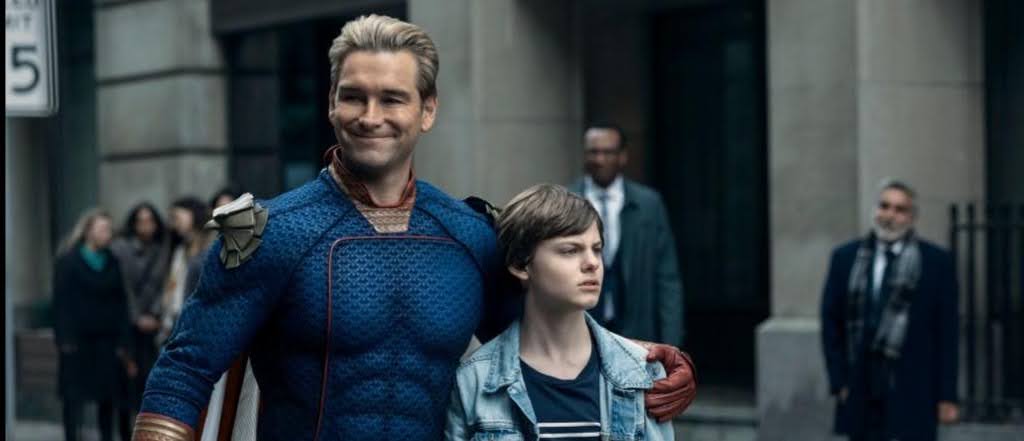
Homelander combines overwhelming physical power with emotional insecurity and a need for public approval. The gap between his heroic image and private behaviour allows the story to explore celebrity, corporate control, entitlement, and unchecked power.
How to Write a Memorable Villain
Step One | Define Their Goal
Write one sentence explaining what the villain wants and make it concrete enough to drive action.
Step Two | Identify Why They Want It
Connect the goal to a fear, loss, belief, need, or experience and ask what the villain believes will happen if they fail.
Step Three | Create Their Moral Logic
Decide how they justify their actions. What do they believe about people, power, justice, love, or survival?
Step Four | Set Their Boundaries
Even villains may have rules. Perhaps they never lie, refuse to harm children, value loyalty, or always keep a promise. Boundaries make later choices more revealing, particularly when the villain breaks them.
Step Five | Connect Them to the Protagonist
Give the hero and villain a meaningful similarity. They may want the same thing, share the same flaw, or respond differently to the same kind of pain. similarity. They may share the same flaw or respond differently to the same kind of pain. You can map these psychological parallels directly onto your story’s structure using a script beat sheet.
Step Six | Give Them Power
Don’t get me wrong, power doesn’t have to mean wealth or physical strength. A villain may control information, reputation, access, affection, or the law. Give them something that makes them genuinely difficult to oppose.
Step Seven | Show the Cost of Their Actions
Let the audience experience the consequences through specific characters and relationships. Don’t leave the villain’s destruction as an abstract threat.
Step Eight | Test Them Too
Like your protagonist, your villain should face setbacks, temptations, and difficult decisions. Pressure reveals whether they truly believe their own philosophy or simply use it to excuse themselves.

Villain Exercise
Create a villain by completing the following statements:
- My villain wants:
- They want it because:
- They believe the world is:
- The line they claim they will never cross is:
- The protagonist reminds them of:
- Their greatest power is:
- Their hidden vulnerability is:
- The moment they become truly dangerous is when:
Now write a scene in which the villain offers the protagonist something they genuinely want. The scene should force the hero to consider whether accepting the offer would be worth the moral cost.
FAQ
No. A tragic history can add context, but it’s definitely not required. Motivation, worldview, choices, and consequences are more important than giving every villain a traumatic childhood.
Yes. A story can follow a villain protagonist while making the destructive nature of their actions clear. The protagonist is the central character, not automatically the moral hero.
No. Stories need opposition, but that opposition may come from an antagonist, environment, institution, internal struggle, or difficult situation.
Not always. Some villains believe they’re justified. Others know they’re selfish or cruel and simply don’t care. What matters is that their behaviour has a consistent internal logic.
Yes, but redemption should require recognition, responsibility, and meaningful action. Regret alone is not enough. The character must confront the harm they caused and make a costly choice to change.
Keep reading on the Celtx blog:
- What Is a Character Profile and How to Use It
- The Best Character Questionnaire (With Free Download)
- What Are Character Traits? The Secret Sauce of Iconic Storytelling
Conclusion
A great villain is more than someone who does terrible things. They have a concrete goal, an internal logic, and enough power to force the protagonist into difficult choices. Their actions create real consequences, while their connection to the hero gives the conflict personal and thematic weight.
When you’re ready to start building your antagonist, organizing their worldview, traits, and plot beats in one place makes all the difference. By developing your character profiles and script outlines inside Celtx, you can build compelling villains who challenge your hero every step of the way.
Follow us on social media for more screenwriting tips, tricks, and insights
Focus on your story, not your formatting.
Let Celtx’s Script Editor automatically apply all industry rules while you focus on the story.
