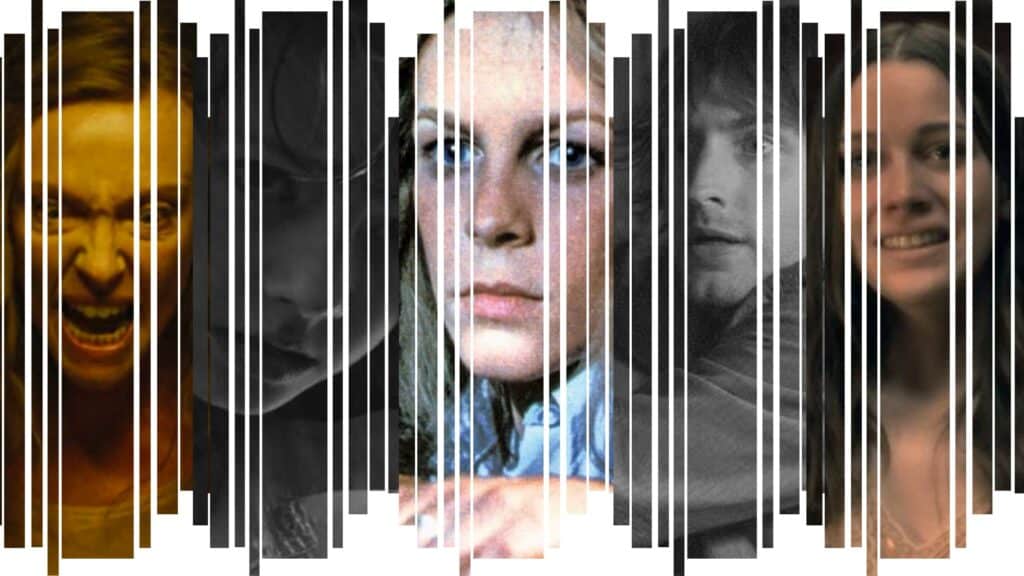
Horror is a genre built on tension, atmosphere, and the primal fear of the unknown. And it’s the characters who carry us through the darkness. Whether we’re rooting for the Final Girl or side-eyeing the skeptic who’s clearly tempting fate, horror thrives on archetypes.
These familiar character types aren’t just cliches either. No, they’re narrative tools that help audiences quickly understand the stakes, dynamics, and emotional core of the story.
As screenwriters, we can use these archetypes to build compelling casts that feel familiar enough to resonate, but fresh enough to surprise. And when used well, archetypes can elevate your horror script from predictable to unforgettable.
In today’s blog, we’ll cover the classic horror archetypes, what their purpose is in the horror story, and how you can use them to subvert audience expectations. Plus, we’ll also throw in some killer examples from some of the best horror movies around!
So, without further ado, let’s meet the cast of the cursed.
Table of Contents
- The Classic Horror Archetypes
- The Function of the Archetype
- Subverting Expectations
- Practical Examples
- FAQs
- Conclusion
The Classic Horror Archetypes
Horror has its own mythology, and its character types are part of that lore. Here are five of the most iconic archetypes you’ll encounter, and probably write:
The Final Girl
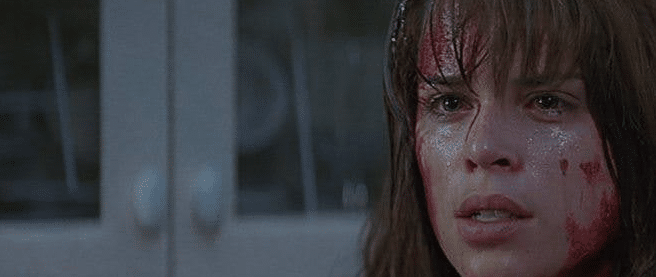
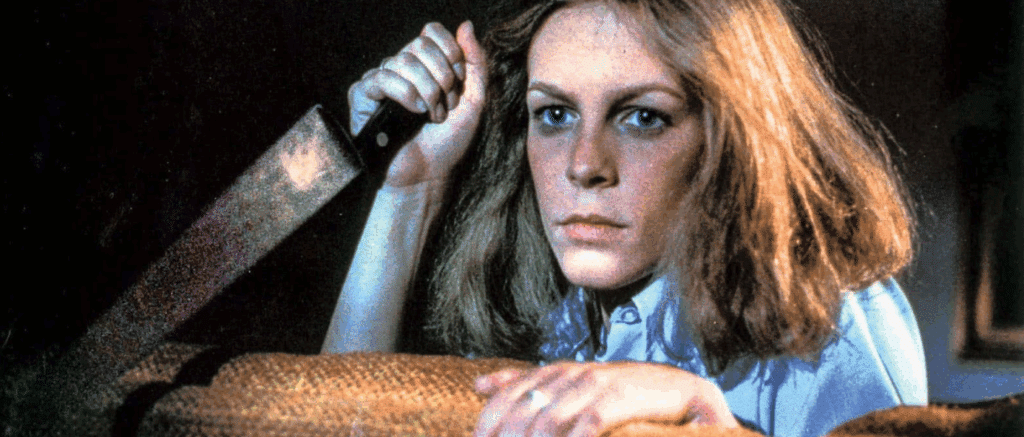
She’s resourceful, resilient, and often the last one standing. Think Laurie Strode in Halloween, or Sidney Prescott in Scream. The Final Girl is usually morally upright, observant, and underestimated until she’s forced to fight back.
She’s not just a survivor, but a symbol of transformation.
Want to learn more about the Final Girl archetype? Then we have a great video recommendation for that! Check out The Take’s ‘take’ (get it!) below:
The Skeptic
This character refuses to believe anything supernatural is happening, even when the walls are bleeding. They’re the voice of reason… until reason fails. The Skeptic often meets a grim fate, but they serve a vital role in grounding the story before things spiral.
The Jock
Brash, confident, and often a bit of a bully, the Jock is a staple of slasher films. He’s usually more brawn that brains, and his arrogance tends to get him killed early. But he’s also a symbol of youthful invincibility, and its limits.
The Fool
Comic relief in a world of terror, the Fool is often the audience surrogate. They say what we’re thinking, break the tension, and sometimes surprise us with unexpected depth. Think Marty from Cabin in the Woods; a fool who turns out to be the smartest guy in the room.
The Survivor
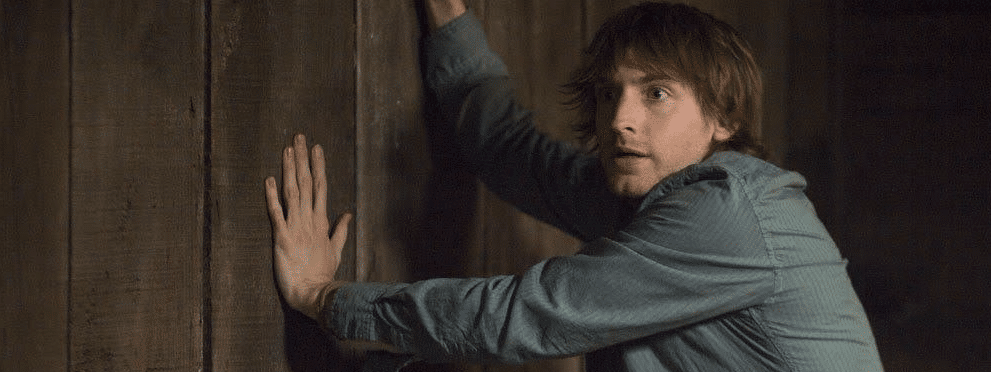
Not quite the Final Girl, the Survivor is someone who endures trauma but doesn’t necessarily triumph. They might escape, but they’re changed, haunted, broken, or even corrupted. This archetype is especially common in psychological horror, where survival comes at a cost.
The Innocent
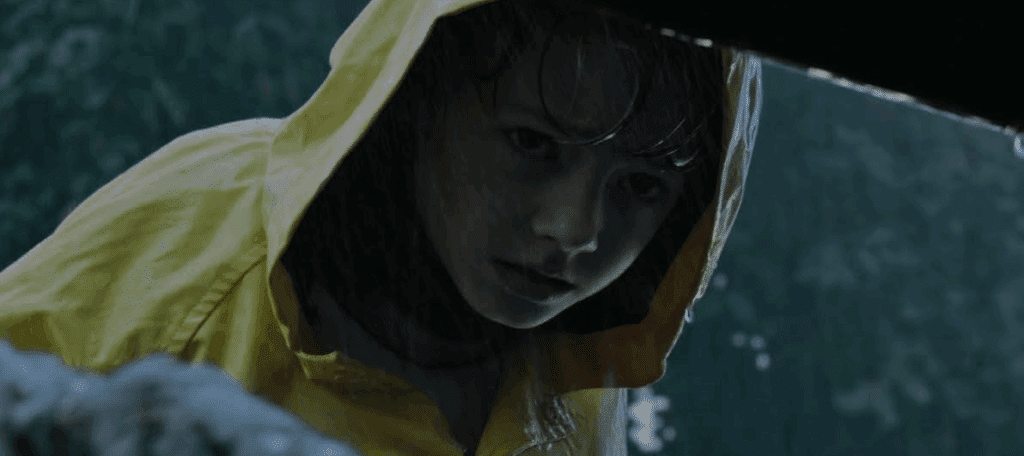
Often a child or someone naïve, the Innocent represents purity and vulnerability. Their presence heightens the stakes and emotional tension. Think Charlie in Hereditary or Georgie in It. The Innocent is rarely equipped to fight back, making their fate especially tragic, or redemptive.
The Trickster
This character thrives on chaos, misdirection, and manipulation. They might be comic relief, a villain in disguise, or a wildcard whose motives are unclear. Think Black Phillip in The Witch or Rose in Get Out. The Trickster keeps the audience guessing and often holds the key to the story’s deeper meaning.
Building a cast of complex characters is easy with Celtx’s Character Profile, which helps you create profiles, backstories, and more. Try it for free today.
The Function of the Archetype
So, why do these archetypes matter beyond tradition? Well, we’ll give you three (yes three!) reasons why.
1. Archetypes Set Expectations
Audiences come to horror with certain expectations. Archetypes help you meet those expectations quickly, so you can spend more time building suspense and less time explaining who’s who.
2. Archetypes Create Contrast
A well-balanced cast of archetypes creates natural tension. The Skeptic clashes with the Believer. The Fool lightens the mood. The Final Girl grows where others fall. It’s these dynamics that keep the story moving and emotionally engaging.
3. Archetypes Anchor the Theme
Each archetype can reflect a different facet of your theme. If your horror story is about guilt, maybe the Survivor is consumed by it, while the Fool deflects it. Archetypes aren’t just roles; they’re thematic vessels.
Have a great idea for a horror script but don’t know where to start? Check out our awesome blog post How to Write a Horror Script for tips & guidance!
Subverting Expectations
Of course, archetypes can become stale if used lazily. The best horror films twist these familiar roles in unexpected ways. Let’s look at a few examples:
The Final Girl who Fights First
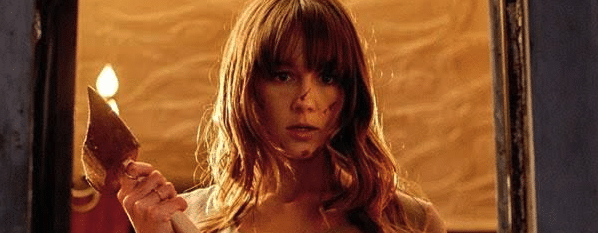
In You’re Next, Erin doesn’t wait to be attacked. Instead, she fights back immediately, flipping the Final Girl trope on its head. She’s not just surviving; she’s hunting.
The Fool Who Knows Too Much
We’ve already met Marty from Cabin in the Woods, but he’s a perfect example of a subverted archetype. He smokes weed, cracks jokes, and seems utterly clueless until he uncovers the truth behind the entire horror scenario. His archetype is used to lull the audience into underestimating him.
The Jock with a Heart
In It Follows, Greg seems like the typical aloof guy, but he’s not cruel or arrogant. He’s just trying to help, and his death is more tragic than deserved.
The Skeptic Who’s Right… Until They’re Not
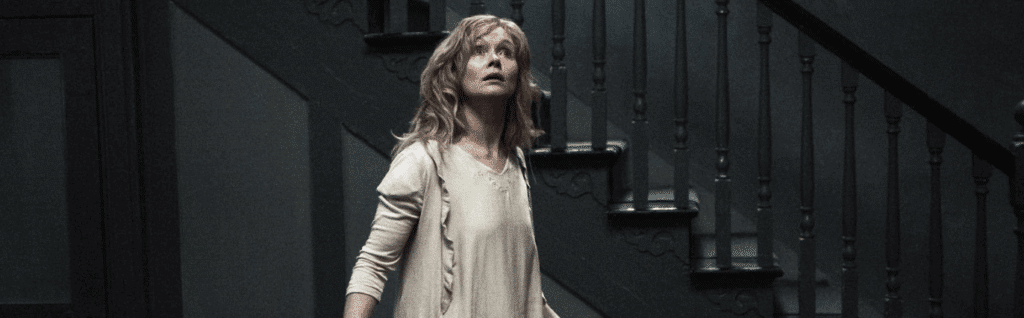
In The Babadook, Amelia is skeptical of her son’s fears, but the horror is psychological, not supernatural. Her skepticism isn’t punished; it’s part of her arc.
Subverting archetypes doesn’t mean abandoning them. It means using audience expectations to your advantage and then surprising them!
Practical Examples
Now we know more about the key character archetypes in horror (and how to subvert them!), let’s see how some of the very best horrors use them.
Scream (1996)
The Final Girl
Sidney Prescott is the quintessential Final Girl, but she’s also emotionally complex, dealing with grief and betrayal.
The Fool
Randy is the Fool, but he’s also the meta-commentator, explaining horror tropes as they unfold.
The Jock
Billy and Stu are the Jocks turned killers, subverting the idea that the threat is external.
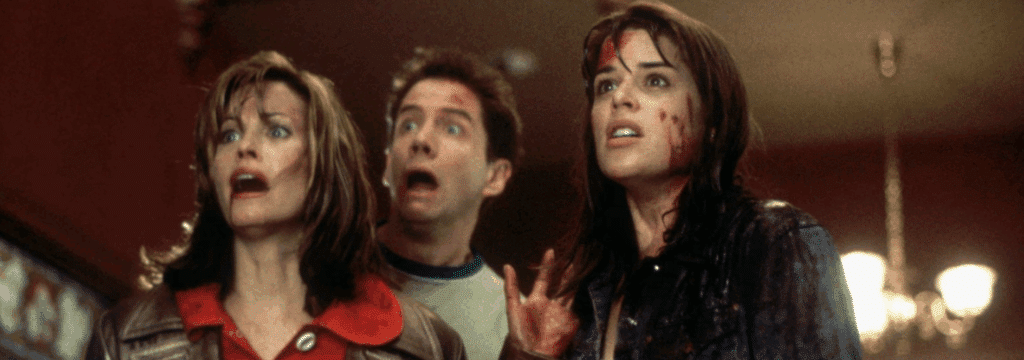
Scream is a masterclass in archetype manipulation; it uses them to build tension and then dismantles them with wit and violence.
A Quiet Place (2018)
The Survivor
Evelyn and lee are Survivors, trying to protect their family in a world where sound equals death.
The Final Girl
Regan, Evelyn and Lee’s daughter, becomes a kind of Final Girl. Not because she’s alone, but because she’s the one who discovers how to fight back.
The Skeptic
This role is inverted throughout the whole movie as there’s no room for disbelief in this world, only adaptation.
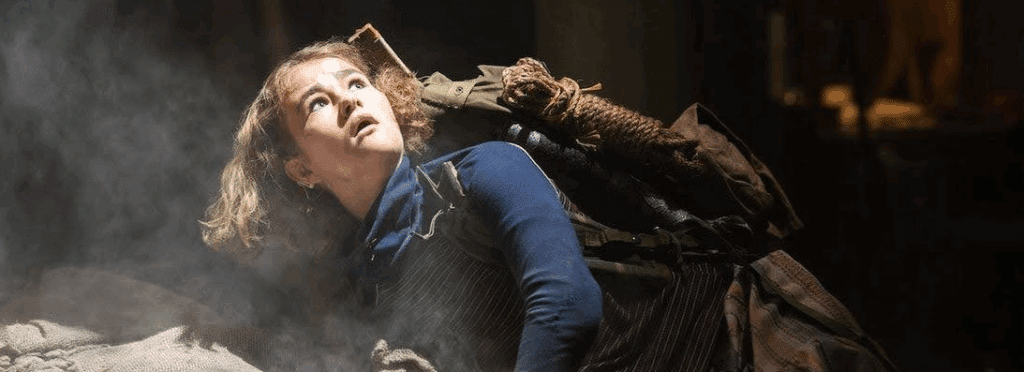
A Quiet Place shows how archetypes can evolve in high-concept horror. The characters aren’t just types, but people shaped by extreme circumstances.
It Follows (2014)
The Final Girl
Jay is a Final Girl, but her journey is more existential that physical. She’s pursued by a shape-shifting entity that represents trauma, fear, or even STDs.
The Skeptic, The Fool, The Jock
Jay’s friends fill out the cast, but none are caricatures of the archetypes, feeling grounded in the story world.

The horror is low, creeping, and metaphorical, and the archetypes help ground the surreal premise.
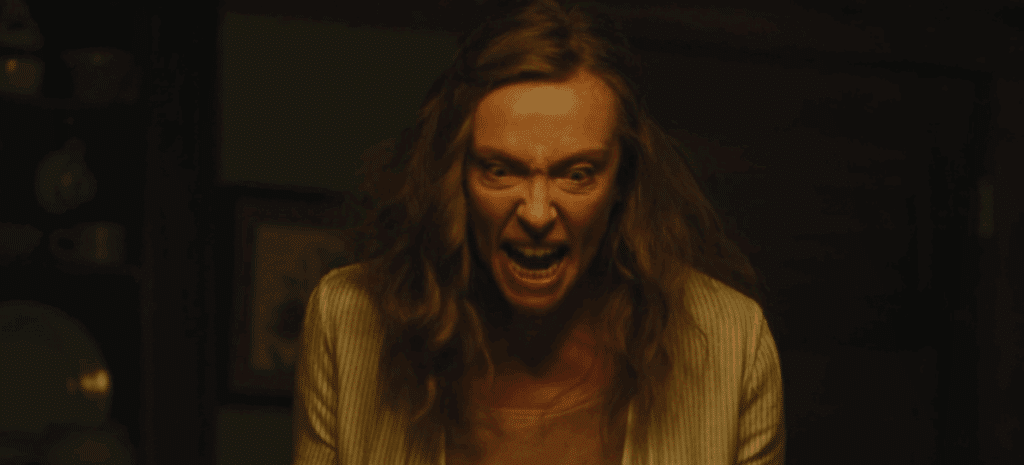
Hereditary (2018)
The Survivor
Annie Graham is a Survivor whose grief and trauma unravel into horror. She’s not a traditional Final Girl though, as her arc is tragic and terrifying.
The Skeptic
Peter, Annie’s husband, is the Skeptic turned victim. His denial of the supernatural leads to devastating consequences.
The Witch (2015)
The Final Girl
Thomasin is a Final Girl who transforms into something darker. In order to survive, she finds herself surrendering, rather than resisting.
The Skeptics (and Believers)
The family are a collective of both Skeptics and Believers, their paranoia and religious fervor tearing them apart.
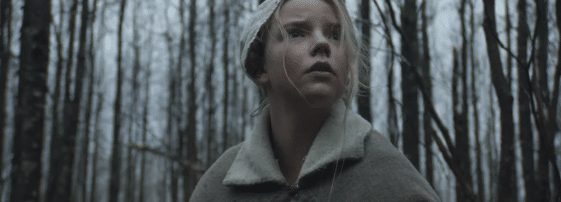
The film uses archetypes effectively to explore repression and liberation through a blend of folklore and psychological horror.
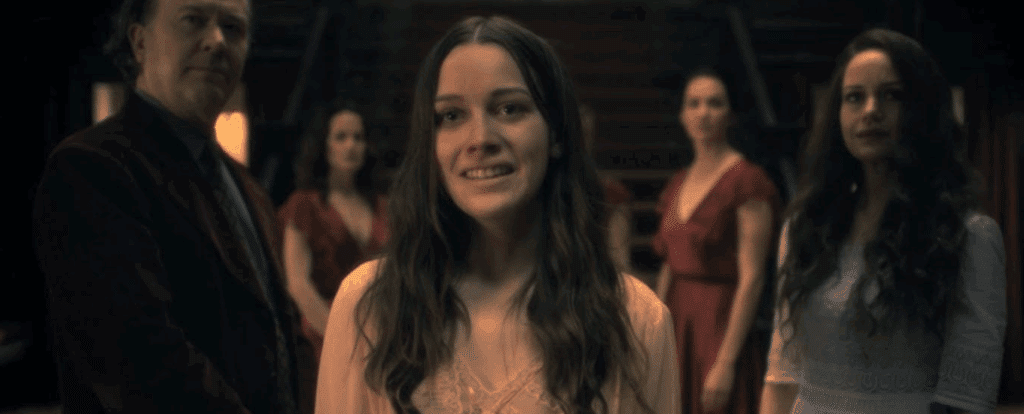
The Haunting of Hill House (2018)
The Innocent
The Innocent turned tragic survivor, Nell Crain’s death is the emotional core of the series.
The Skeptic
Shirley Crain clings to logic and control, even as the supernatural becomes undeniable.
The Fool
Initially struggling with addiction and trauma, Luke Crain ultimately seeks redemption.
The Jock
Theo Crain is a reimagined Jock who’s emotionally guarded and physically powerful.
The Haunting of Hill House uses these archetypes to explore grief, memory, and the long shadow of trauma that you can’t seem to shake.
Get Out (2017)
The Final Girl/Boy
Chris Washington navigates both psychological and social horror. His survival is earned through intelligence and emotional resilience.
The Trickster
On the other hand, Rose is the Trickster, hiding her malevolence under her charm.
The Fool
Yes, Rod is the Fool of the piece, but he’s also the hero. His comic relief is paired with loyalty and intuition.

Get Out has redefined the psychological horror through racial dynamics and social commentary.
FAQs
The Final Girl is the last woman standing in a horror film. She’s often morally pure, observant, and underestimated. Her survival is both literal and symbolic; she represents resilience, transformation, and sometimes, punishment for others’ sins.
Not at all. Archetypes are tools, not rules. They can help you build a cast quickly and communicate ideas efficiently, but your characters should always serve your story. If an archetype doesn’t fit, don’t force it.
An archetype is a universal character type that reflects human nature, like the Hero, the Mentor, or the Trickster. A stereotype is a shallow, often harmful generalization. Archetypes have depth and flexibility; stereotypes are rigid and reductive.
Laurie Strode in Halloween is a textbook Final Girl. She’s quiet, smart, and resourceful. But she also grows, becoming stronger, more assertive, and ultimately, a fighter. That evolution is what makes her an archetype, not a stereotype.
Conclusion
Horror is a genre that thrives on familiarity and fear. Archetypes help you tap into that familiarity, but they shouldn’t limit you. Use them to build your cast, shape your themes, and guide your audience’s expectations. Then twist, deepen, and challenge them.
Your characters should feel real, even in unreal situations. Archetypes are the scaffolding, but your story is the structure.
Ready to write a horror script that leaves a lasting impression? Sign up for Celtx today.
Up Next:
15 Essential Character Archetypes (And How to Use Them)
Horror archetypes thrive on fear, but archetypes exist in every genre. Explore the core roles that shape all storytelling and see how they can strengthen your next script.