Christmas movies are the cinematic equivalent of comfort food. They’re warm, predictable, nostalgic, and often covered in a thick layer of emotional frosting. But beneath the sparkle and snow lies something screenwriters should pay close attention to: a rock-solid structure.
Holiday films are forced to do more and do it efficiently. They must deliver heart, conflict, reconciliation, theme, transformation, and a visceral emotional payoff, often in 90 minutes or less.
If you want to master structure, theme, arcs, genre blending, and emotional delivery, Christmas movies are the perfect, and massively underrated, masterclass. And in today’s blog, we’ll be breaking down the 25 Best Christmas movies and the valuable screenwriting lessons they teach us.
So, grab your hot cocoa and candy canes, and get ready for the ultimate Christmas extravaganza!

Judging Criteria: What Makes the Best Christmas Movies?
But just before we countdown the 25 best Christmas movies for screenwriters to study, here’s the rubric for what makes them worth dissecting.
- Theme
Holiday films must wear their theme on their sleeve. “Forgiveness,” “community,” “love,” “rediscovery,” “belonging,” or “gratitude,” if you can’t identify the theme in the first 20 minutes, the movie isn’t doing its job.
- Transformation/Arc
Christmas movies often feature:
- A Scrooge figure (cynical, bitter, closed off)
- A Believer figure (optimistic, warm, Christmas-loving)
- A Relationship journey (romantic, familial, or communal)
Watching a character thaw is basically the holiday pastime.
- Emotional Payoff
The finale has to hit: tears, joy, laughter, the whole shebang! Or if you’re watching Krampus, you may feel slightly festive existential dread.
- Genre-Blending
Christmas movies mix comedy, romance, drama, action, horror, dark comedy, and fantasy, sometimes all in the same film. And when these tones balance, they become classics.
Best Christmas Movies for the Whole Family (Classics & Animation)
These are the films that define the holiday season, perfect for gathering viewers of all ages. They rely on universal themes of belief, goodwill, and the magic of Christmas.
We’ll also throw in a little screenwriting lesson for each film so you can learn while you’re getting into the holiday spirit!
1. It’s a Wonderful Life (1946) | Fantasy/Drama
Frank Capra’s classic is essentially a psychological excavation. George Bailey is built layer by layer: his dreams are denied, he makes sacrifices, his frustrations simmer. The ‘what if’ Act 3 where we see the world without him, is one of the purest examples of dramatizing a theme through structure.
Instead of telling the audience George matters, the film shows it through comparison. For us screenwriters, it’s a masterclass in externalizing internal conflict.
SCREENWRITING LESSON: Use alternate-reality structure to show emotional revelation.
2. A Christmas Carol (1951) | Drama/Fantasy
Three ghosts = three acts. Each spectral visit targets a different stage of Scrooge’s emotional armor, allowing the narrative to progress in clean, digestible beats.
It’s a blueprint for transformation that’s still used today, especially in holiday movies where emotional change must be big, visible, and fast.
SCREENWRITING LESSON: Deliver character change through episodic yet unified structure.
3. Home Alone (1990) | Family Comedy
John Hughes’ script is astonishingly tight. Every single gag, line, and prop introduced in Act 1 returns with heightened stakes in Act 3. Kevin’s arc is also deceptively sophisticated as he moves from wishing his family away to fighting desperately to protect the very idea of home. It’s slapstick with a heart.
SCREENWRITING LESSON: Focus on setups, payoffs, and escalation.
4. Elf (2003) | Comedy
Buddy the Elf is an earnest character in a cynical world. That contrast is the comedy, the conflict, and the story’s thematic spine.
As writers, we can study how the world slowly conforms to Buddy’s worldview rather than breaking his. It’s also a masterclass in making a character’s flaw (naivety) double as their superpower (pure-hearted belief).
SCREENWRITING LESSON: Use tonal sincerity to help build your structure.
5. The Holiday (2006) | Rom-Com
Two leads, two arcs, two sets of emotional wounds, and two very different tones (LA cool vs. English cozy cottage). Yet the script keeps them thematically connected, with both women needing to learn emotional bravery. A perfect example of a parallel structure done right.
SCREENWRITING LESSON: How to balance a dual-protagonist narrative.
6. Miracle on 34th Street (1947) | Fantasy/Drama
The film explores belief vs skepticism through legal proceedings which is an unexpected but effective framework for the story. The “is Santa real?” question becomes a metaphor for trust, hope, and the willingness to see magic in the mundane.
SCREENWRITING LESSON: How to turn a holiday theme into an intense and dynamic courtroom drama.
7. The Muppet Christmas Carol (1992) | Musical/Family
The Muppets bring humor and music, yet the emotion hits hard. Michael Caine plays Scrooge completely straight, which keeps the story grounded. Us writers can really study how the film uses levity to make serious moments land even stronger.

SCREENWRITING LESSON: How to balance whimsy with emotional depth.
8. Klaus (2019) | Animation
Jesper’s arc from spoiled postal worker to genuine humanitarian, drives the narrative more than Santa mythology. The worldbuilding is inventive, but the emotional architecture is even better: two lonely men accidentally create kindness.
SCREENWRITING LESSON: How to reinvent an origin story through character flaws.
9. The Polar Express (2004) | Animated Fantasy
Every stop on the journey explores belief in a different form. The film is all about reinforcing a single emotional idea. For us writers, it’s an invitation to let theme shape set pieces instead of the other way around.
SCREENWRITING LESSON: How to establish magical rules that remain consistent and believable within the story world.
10. The Santa Clause (1994) | Family Comedy
When Scott Calvin accidentally becomes Santa, the film lays out the rules clearly: physical transformation, job responsibilities, time dilation and North Pole bureaucracy. The consistency is what creates believability within the fantasy.
SCREENWRITING LESSON: How to establish magical rules that remain consistent.
11. How the Grinch Stole Christmas (2000) | Family Comedy
The Grinch’s entire arc is externalized from his lair, gadgets and dog to his disguise and even the grotesque grin. His physical exaggeration reflects emotional exaggeration. We can use this as a blueprint to heighten our own visual storytelling.
SCREENWRITING LESSON: How to visualize internal conflict.
12. Home Alone 2: Lost in New York (1992) | Family Comedy
Yes, Kevin fights the Wet Bandits again but in a drastically different environment with larger stakes and deeper emotional threads (particularly his relationship with the Pigeon Lady). The film studies how a sequel can scale without feeling redundant.
SCREENWRITING LESSON: How sequels can echo structure but not repeat the plot.
13. The Nightmare Before Christmas (1993) | Stop-Motion Fantasy
Jack Skellington’s crisis of an identity meltdown is mirrored in the film’s mashup of Halloween and Christmas. The very structure of the film supports the protagonist’s emotional confusion. This is genre as theme, and not just about what visually appears on screen.
SCREENWRITING LESSON: How to blend genres as a character metaphor.

14. Arthur Christmas (2011) | Animated Comedy
Three Santas (GrandSanta, Santa, and Steve) each represent a different ideology. Arthur, the emotional heart, is none of them and all of them. It’s a brilliant example of using character roles to explore family legacy, duty, and empathy.
SCREENWRITING LESSON: How to use generational conflict as thematic structure.
15. Jingle All the Way (1996) | Family Comedy
“Buy the toy before Christmas morning” is a universal parental fear and a built-in deadline for the plot. From the flawed hero and escalating obstacles to the manic comedic energy, all revolve around this simple pressure device. It’s a great lesson in crafting real-time urgency.
SCREENWRITING LESSON: How to use a ticking clock in holiday storytelling.
16. A Charlie Brown Christmas (1965) | Animated Short
Charlie Brown’s depression, Linus’ monologue and the sad little tree all work because they’re honest. The script wastes zero time on filler and is the finest example of minimalism in holiday storytelling.
SCREENWRITING LESSON: How to deliver theme with elegant simplicity.
17. The Bishop’s Wife (1947) | Fantasy/Drama
Dudley the angel doesn’t ‘fix’ the characters but reflects their flaws back at them and creates opportunities for them to change. Us writers can study how a supernatural character can guide a story without hijacking it.
SCREENWRITING LESSON: How to use a magical outsider as a catalyst for change.
Write a story with the structural warmth of a classic. Start writing for free with Celtx.
Best Christmas Movies for Adults (Comedies & Action)
The rest of our list of the Best Christmas Movies might only be approved for the adult table. These films use the holiday backdrop to intensify adult conflict, action, and dark humor, making the contrast between the festive setting and the gritty reality part of the thematic tension.
And, of course, we’ll throw in a screenwriting lesson for each of these films as well!
18. Die Hard (1988) | Action
John McClane’s emotional goal of reconciling with Holly drives the plot as much as the terrorists do. The Christmas backdrop reinforces themes of forgiveness, reunion, and rebirth.
While the action is great, but the emotional core is why the movie endures.
SCREENWRITING LESSON: You can embed a family arc inside high-octane genre storytelling.
19. Love Actually (2003) | Ensemble Rom-Com
Each storyline explores a different angle of love from romantic and forbidden to familial, fading, comedic, and even tragic. The film juggles tone and pace with surprising cohesion because theme is the spine.
If you’re looking to study an ensemble structure, you could learn a ton from Love Actually.
SCREENWRITING LESSON: Unify multiple storylines through a single thematic thesis.
20. National Lampoon’s Christmas Vacation (1989) | Comedy
Clark Griswold begins at ‘trying too hard’ and ends at ‘meltdown in front of the entire extended family.’
This rising tension is textbook comedic structure with each failure building on the last. However, the audience roots for him anyway because his goal “one good family Christmas” is so relatable.
SCREENWRITING LESSON: Control chaos in your stories through escalating stakes.

21. Scrooged (1988) | Dark Comedy
Instead of a Victorian miser, we get a narcissistic TV executive. Instead of ghosts, we get deranged, wisecracking spirits, but the emotional arc is the same. Changing tone without losing structure is an essential skill for adaptations.
SCREENWRITING LESSON: How to remix a classic story for a modern audience.
22. Bad Santa (2003) | Dark Comedy
This movie pushes the redemption arc to its lowest depths. Willie is truly awful which makes his final sliver of humanity feel earned rather than forced. For us writers, it’s a study in how far we can push an antihero before the audience gives up.
SCREENWRITING LESSON: How to reverse an extreme negative arc at the last possible moment.
23. The Family Stone (2005) | Ensemble Comedy Drama
The film uses Christmas as a pressure cooker: new partners, old wounds, family traditions and whispered judgments. We can study how the script uses the holiday setting to intensify interpersonal conflict naturally.
SCREENWRITING LESSON: How to use Christmas as an emotional magnifier on existing conflict.
24. Gremlins (1984) | Horror/Comedy
Gremlins works because the tone is carefully calibrated. The cozy holiday setting contrasts with the chaotic monster mayhem. The film commits fully to both moods, proving that horror and Christmas can coexist when being controlled by a strong theme.
SCREENWRITING LESSON: How to juxtapose the cute and terrifying without losing tonal coherence.
25. Krampus (2015) | Horror/Dark Comedy
And last but certainly not least, we have perhaps the most unique Christmas movie on our list. The movie weaponizes the dysfunctional family Christmas motif and twists it into a supernatural nightmare. Yet beneath the monsters and terror lies a classic holiday message that cynicism destroys connection.
SCREENWRITING LESSON: How to subvert holiday tropes without losing the emotion.

How to Watch the Best Christmas Movies (Where to Stream)
Once you’ve decided on the perfect title from our list of the best Christmas movies, your next step is finding where to watch it. Because this list spans over 75 years of cinema, streaming availability changes frequently.
Here are the best ways to track down your holiday favorites:
Check Major Streaming Hubs
Many classic and popular Christmas movies, including titles like Home Alone and The Santa Clause, are frequently featured on major subscription services (e.g., Disney+, Netflix, Hulu) during the holiday months (November-January).
The Christmas Movie Streaming Platform
For classics like It’s a Wonderful Life and Miracle on 34th Street, check platforms that specialize in classic films or specific studio libraries. These are often available for free with a library card or via services like Paramount+.
Rental/Purchase Services
For newer titles (Klaus, The Family Stone) or films from specialized studios, your best bet is often to check on demand services like Amazon Prime Video, Apple TV, YouTube Movies, or Vudu for a rental or purchase option.
Cable and Broadcast Channels
Don’t forget the traditional sources! Channels like AMC, Freeform (during their “25 Days of Christmas” event), and network TV frequently broadcast the most popular titles from this list (e.g., National Lampoon’s Christmas Vacation, Elf).
FAQs
A character who:
– Has emotionally shut down
– Has withdrawn from community
– Is stuck in a wound or worldview
– Needs Christmas to remind them of their humanity
They’re not just grumpy but are disconnected. And the story is about reconnecting.
Yes, structurally and thematically. The entire plot is built around:
– a holiday setting
– a holiday catalyst (John coming home for Christmas)
– holiday themes (reunion, forgiveness, family)
Remove Christmas, and the movie collapses. Therefore, by screenwriting logic: it’s a Christmas movie.
– Redemption
– Belonging
– Family reconciliation
– Community over individualism
– Gratitude
– Love (romantic, familial, communal)
– Belief vs. cynicism
– Generosity vs. greed
Most holiday films revolve around the idea that humans are better together.
Here’s the formula (and it’s reliable in the absolute best way):
Set-Up:
– Hero is career-focused, lonely, or returning home.
– Introduce the holiday problem (event, ex, family, community crisis).
Meet-Cute:
– The love interest appears and complicates everything.
Fun & Games:
– Decorating
– Ice skating
– Tree shopping
– Baking
– Small-town montages
This is where the charm happens.
Midpoint Shift:
– Feelings become real.
Break-Up:
– Misunderstanding or truth revealed.
Reconciliation:
– Usually in the snow, with lights, at an event.
Holiday Finale:
– Theme reinforced.
– Kiss under lights.
– Somebody gets a new sweater.
Perfect.
Financially, Home Alone remains one of the highest-grossing Christmas films ever made. Culturally, It’s a Wonderful Life is the perennial classic. And Elf has become the go-to contemporary holiday staple.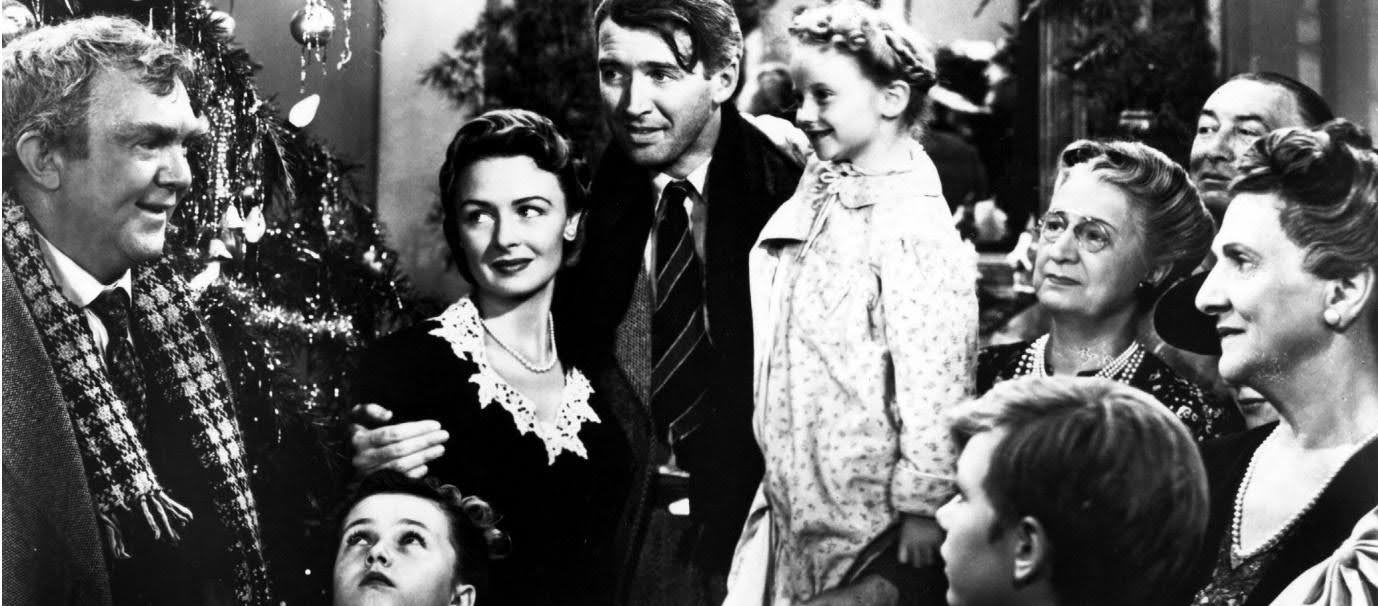
Conclusion
Christmas movies are emotional architecture in action. They’re stories that must land big themes, satisfying arcs, and heartfelt payoffs within strict genre expectations.
If you want to understand transformation, theme, structure, or tone, study holiday films. They’re the purest expression of what screenwriting aims to do: make us feel something. And every December, we return to these movies for the same reason we write stories in the first place to remember who we are, who we were, and who we want to become.
Focus on your story, not your formatting.
Let Celtx’s Script Editor automatically apply all industry rules while you focus on the story.
Up Next:
Crafting Magic: How to Write a Christmas Movie Script
Ready to apply those lessons? Learn the essential tropes, character archetypes, and predictable yet satisfying three-act structure that defines the Christmas movie genre, and start writing your own holiday hit.