This is a guest blog written by Celtx Partner David Schwartz

You know how rom-coms are. Boy meets girl, boy and girl fall in love, boy and girl break up, boy and girl get back together. Most romantic comedies follow a core formula, but the execution determines whether they become classics or cautionary tales.
In honor of the genre’s enduring popularity, we’re diving into the best and worst rom-com movies to see what screenwriters can learn from the masters of the formula—and where the ‘anti-rom-com’ can sometimes go wrong.
What Makes a Rom-Com the “Best”?
To analyze the best and worst examples, we judge films not just on entertainment value, but on their screenwriting execution. A truly great rom-com must excel in the following areas:
- Witty Dialogue: Lines should be quotable and reveal character while advancing the plot.
- Chemistry: The dynamic between the leads must be magnetic and believable.
- Thematic Conflict: The obstacles must be rooted in the characters’ internal flaws, not just external situations.
- Emotional Payoff: The resolution must feel earned and deeply satisfying for the audience.
For a full understanding of how the genre’s structure has evolved, read our analysis of Classic vs. Contemporary Romantic Comedy structure.
Classic Rom-Coms: The Formula Masters
These films set the standard for the genre by flawlessly executing the meet-cute, escalating conflict, and grand romantic resolution.
When Harry Met Sally (1989)
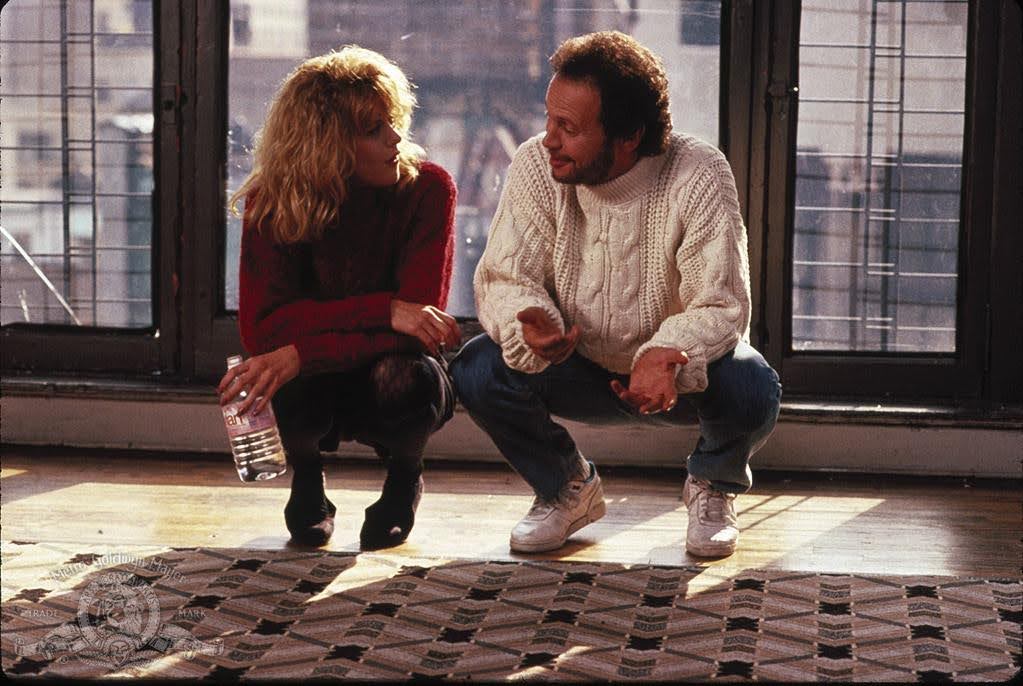
The Core Conflict: Ah yes, the famous question of “Can a man and a woman just be friends without intimacy?” If you’ve answered yes, this film might disappoint you. Most would consider Nora Ephron’s script a classic because of the witty dialogue and humorous observations about love, dating, and gender dynamics. The chemistry between Billy Crystal and Meg Ryan is undeniable, keeping the audience wondering if they’ll remain friends or become something more.
Screenwriting Lesson: Mastering the ‘Will They/Won’t They.’ The film uses years of realistic, witty dialogue to explore its premise, proving that the obstacle can be purely psychological. The famous Deli scene is the ultimate payoff of a sustained comedic tension.
2. The Princess Bride (1987)

The Core Conflict: If you like romance, comedy, fantasy, and sword-fighting, then The Princess Bride is meant for you! This film expertly uses a fairy-tale framework, following the rom-com formula while injecting high fantasy, making it a favorite across all generations because of its clever characters and story. It’s endlessly quotable (“Inconceivable!” or “Have fun storming the castle!”).
Screenwriting Lesson: Blending Genres and High Stakes. The film successfully uses fantasy and adventure to raise the stakes (pirates, fighting, giants), but the emotional core remains Westley’s dedication to saving Buttercup. Supporting characters like Inigo Montoya and Vizzini are key to facilitating the hero’s journey.
3. Pretty Woman (1990)
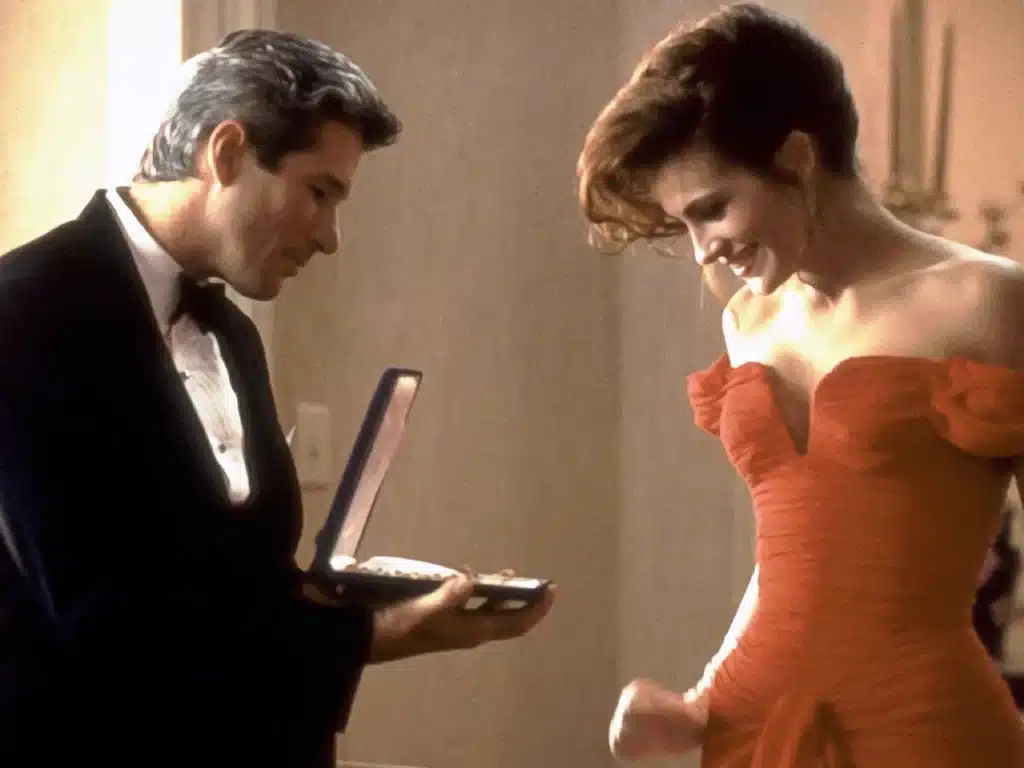
The Core Conflict: “Pretty Woman” stands out as a quintessential romantic comedy that has captivated audiences for decades. The dynamic between Julia Roberts as Vivian Ward and Richard Gere as Edward Lewis is magnetic, evolving authentically from initial skepticism to deep connection.
- Compelling Character Arcs: The film focuses heavily on character growth: Vivian claims her self-worth, and Edward evolves from a cold-hearted businessman to a humane partner. His redemption is a testament to the power of love to transform.
- Iconic Romantic Moments: The grand romantic gestures (Edward climbing the fire escape with roses) balance the film’s social commentary.
- Humor That Lands: The film’s humor is warm, witty, and memorable (e.g., the famous “Big mistake. Big. Huge.” shopping scene).
Screenwriting Lesson: The Power of Transformation. The film masterfully intertwines the fantasy of a Cinderella story with relatable struggles (self-respect, genuine connection), proving that the protagonist’s internal journey is the most important arc.
The Anti Rom-Coms: Lessons in Subversion:
Not every film marketed as a romantic comedy succeeds. These examples, though sometimes commercially successful, offer valuable lessons on where the genre’s formula and audience contract can break down.
1. (500) Days of Summer (2009): The Deconstruction of the “One”
While it looks and feels like a rom-com, the narrator warns us upfront: “This is not a love story.” The film follows Tom, a hopeless romantic who projects a “Manic Pixie Dream Girl” fantasy onto Summer, ignoring her clear boundaries.
Screenwriting Lesson: Perspective and Reality. The film uses a non-linear structure to show how Tom’s memory filters the relationship. By the end, the audience realizes the “obstacle” wasn’t a misunderstanding—it was Tom’s refusal to see Summer as a real person. It’s a brilliant example of using rom-com tropes to critique the very idea of rom-com tropes.
2. My Best Friend’s Wedding (1997): The Relatable “Villain” Protagonist
Julianne Potter spends the entire movie trying to sabotage her best friend’s wedding so she can claim the groom for herself. In any other movie, she would be the antagonist.
Screenwriting Lesson: The Flawed Hero. Julianne is often unlikeable and desperate, yet Julia Roberts’ performance keeps her human. The film subverts the genre by having the protagonist lose the romantic goal. The “Resolution” isn’t a wedding with the lead; it’s a dance with her true best friend, George. It teaches us that the emotional payoff doesn’t always have to be romantic to be satisfying.
3. The Break Up (2006)
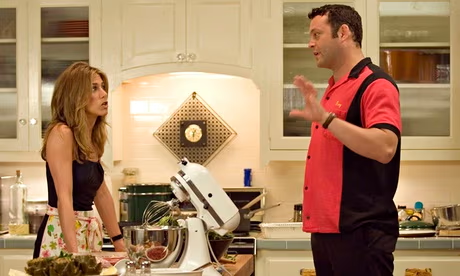
The Instructional Failure: The Break-Up falls into the grey area of the rom-com genre. It is marketed as a comedy, but its tone swings awkwardly between humor and raw, painful emotional conflict. While the film attempts a realistic portrayal of a failing relationship, many find it emotionally draining rather than entertaining.
Screenwriting Lesson: The Need for Likability and Growth. The primary lesson here is that the comedy must serve the romance. When the characters are unlikeable and the humor undercuts the theme, the audience rejects the contract. The characters’ constant bickering and petty behavior make it hard for viewers to root for either character, and the lack of personal growth or a traditional payoff leaves the audience frustrated. The failure of the film is its failure to provide a rewarding structure.
How to Write the Next Best Rom-Com
You don’t need a definitive list of 25 films to start writing; you need a blueprint. While this article explores the best and worst rom-com movies for example, your success comes from applying the lessons of structure and subversion.
3 Essential Structural Steps You Can Learn From the Classics:
- Define the Central Lie (The Obstacle): Identify the character’s flaw that prevents them from finding love (e.g., Harry’s belief that men and women can’t be friends).
- Raise the Stakes: Ensure the escalating conflict threatens the core relationship and the character’s internal growth.
- Earn the Payoff: Make the final resolution feel inevitable and emotionally earned, whether it’s a kiss, a grand gesture, or a sincere farewell.
For the full guide on crafting your very own, check out our in-depth guide: How to Write a Rom-Com Script
Using Celtx to Write Your Rom-Com
- Automatic Formatting: Focus on witty dialogue and emotional beats while Celtx handles the industry-standard formatting.
- Beat Sheets: Map out your meet-cute, obstacles, and resolution using the Celtx Beat Sheets tool to ensure every emotional beat lands.
- Character Tools: Dig deeper into the motivations and flaws of your protagonist and love interest to guarantee their arcs are believable.
Try Celtx Screenwriting Software for free today!
FAQs About Rom-Com Structure and Tropes
While subjective, “When Harry Met Sally” (1989) is frequently cited by critics and screenwriters as the “gold standard.” Its perfect balance of a high-concept premise (“Can men and women just be friends?”) and grounded, witty dialogue makes it a blueprint for the genre.
Yes. These are often called “Anti-Rom-Coms” or “Subversive Rom-Coms.” Films like “500 Days of Summer” and “La La Land” are considered among the best in the genre because they prioritize the characters’ emotional growth and realism over a traditional “happily ever after.”
Most top-tier rom-coms rely on three pillars:
– The Meet-Cute: A memorable, often awkward first encounter.
– The Grand Gesture: A climactic act of devotion (like the fire escape scene in Pretty Woman).
– The Secret/Misunderstanding: A narrative hurdle that temporarily drives the couple apart before the resolution.
A rom-com typically fails when the audience loses empathy for the leads. If the bickering feels mean-spirited rather than playful (as seen in some critiques of The Break-Up), or if the “comedy” undercuts the emotional stakes of the “romance,” the story loses its “feel-good” appeal.
Conclusion
Whether you are aiming for the timeless, heart-fluttering charm of a classic or the bittersweet reality of a modern subversion, the romantic comedy remains one of cinema’s most durable and beloved genres. The “best” rom-coms succeed because they don’t just lean on clichés; they use the formula to explore the very real, often messy, and always human search for connection.
By studying the masters of the “Will They/Won’t They” and learning from the tonal missteps of the past, you can craft a story that resonates with audiences long after the credits roll. Every iconic love story—from the top of the Empire State Building to a rain-soaked New Year’s Eve party—started with a single scene. It’s time to write yours.
Focus on your story, not your formatting.
Let Celtx’s Script Editor automatically apply all industry rules while you focus on the story.
David Schwartz is a screenwriter and script consultant with a passion for helping others develop their craft. He began his journey in Fall 2012, enrolling in a screenwriting course, and continued his education with three additional classes before graduating in 2018. Since then, he has written a variety of scripts across different genres. David is dedicated to both his own creative work and supporting fellow writers in honing their skills.
For more information, visit his website and follow his socials: TikTok, Instagram, Bluesky.
Up Next:
Now that you’ve seen the best (and worst) examples the genre has to offer, it’s time to apply those lessons to your own work. Understanding why When Harry Met Sally works is the first step; learning how to format your own “Deli Scene” is the second.