In the days before streaming, when DVDs were the peak of at-home entertainment, I’d always find myself binging the bonus content. I can’t remember how many times I’ve watched the extended Lord of the Rings featurettes…
Anyhow, if you’re like me and have ever watched the behind-the-scenes footage of a movie, the part where the cameras are rolling, lights blaze, and actors deliver their lines; you’ll be watching the production phase, more specifically principal photography.
Principal photography is when the creative vision that’s been months (or years) in the making finally takes physical form. The script turns into actual moving images, and all that careful pre-production planning gets put to the test.
Film production can be thrilling, chaotic, exhausting, and incredibly rewarding all at once. It can be overwhelming, hence why we’ve created this guide!
In today’s blog, we’ll explore what happens after pre-production ends, what ‘production’ really means in the filmmaking process, and how crews keep everything on track from the first ‘Action!’ to the final ‘Cut!’.
So, without further ado…
Finishing Pre-Production: What Comes Next?
Before we dive into the daily grind of production, it’d be wise to recap where filmmakers stand when pre-production wraps.
Let’s remind ourselves what happens during pre-production:
- Script is locked with all revisions approved
- Funding is secured
- Cast and crew are assembled
- Locations are scouted and secured
- Shot lists and storyboards are drafted for every scene
- Wardrobe, props, and set design are ready to go
- Shooting schedules are created and locked, often using a stripboard or production management software
- Call sheets for day one are ready to go
- Budgets are built
- Gear and props are organized
- Logistics like permits, insurance etc. are finalized
- Contingency plans are put in place for weather, talent availability, and technical issues.
By the end of pre-production, the machine should be well-oiled and ready to roll. The goal is that once a crew makes it onto set, there are as few surprises as possible.
Should you need to remind yourself about pre-production in more detail, return to our dedicated blog here.
What Is Production in Film?
Production is the process of filmmaking all planned scenes, known as principal photography. This is the core activity of production, although it may also include additional photography, inserts, and B-roll capture.
In the seven-stage model of filmmaking, film production is the third stage, sandwiched between pre-production and post-production.
It’s typically the most expensive phase of filmmaking; there’s usually a large crew on payroll, talent under contract, and equipment rentals on the clock. Every delay or mistake can have significant financial impact, so it’s important that the focus stays on:
- Shooting according to the schedule
- Capturing all necessary footage for the edit
- Managing time, resources, and creative direction in real time
As you can probably tell, the principal photography phrase is the most visible and high-pressure stage, especially for the director and cinematographer. Creative choices are locked into the camera, and there’s no ‘fixing’ bad coverage without costly reshoots.
Explore the seven stages of film production here.
What Happens on Set During Production
“A film set is the most comfortable place I could be in the world; that’s what I know.” – Dakota Johnson
Now we know the focus of production, it’s time to take a deep dive into the daily workings of a movie set. Each day is carefully planned to ensure the cast and crew know exactly what needs to be shot and in what order.
Typical daily operations on set include:
- Crew call (everyone arrives on set by the time listed on the call sheet)
- Setup (lighting rigs, camera positions, sound checks, and set dressing)
- Rehearsal (blocking for actors, camera movements tested)
- Rolling (cameras and sound roll to shoot the scenes for the day)
- Multiple takes (adjustments made for performance, framing, or technical issues)

- Breaks (cast and crew take scheduled meal breaks)
- Company moves (relocating equipment to new locations or sets, if needed)
- Wrap (at the end of the shooting day, the equipment is packed, footage backed up and the location is cleared)
And there are multiple documents and tools the crew uses to help. Just like:
- Shooting schedules (the grand plan for which scenes will be filmed each day)
- Scene setups (lighting diagrams, camera placement notes, and blocking plans)
- Call sheets (distributed daily to inform everyone of arrival times, scene numbers, and location details)
- Gear checklists (ensuring cameras, lenses, batteries, and audio gear are ready to go)
The rhythm of production is both repetitive and unpredictable. While each day follows a similar structure, unexpected challenges such as weather, equipment failure and performance adjustments, require problem solving.
For a full breakdown of a day on a film set, check out Trojans360’s awesome post: Breakdown of a Day on a Film Production Set and Tips on How to Navigate It.
Key Roles During Production
While pre-production involves many meetings and planning sessions, production is a very different animal. It’s all about the execution, which requires a tight chain of command!
Some of the most critical roles on set include:
Director
The director is the creative leader of the project who’s responsible for performances, visual storytelling, and overall artistic vision.

Director of Photography (DP or Cinematographer)
The job of the cinematographer is to design the visual look of the movie. They also manage the camera and lighting departments.
Line Producer
Budget is their main focus, ensuring the production stays financially on track.
First Assistant Director (1st AD)
They run the set, keeping everyone on schedule. Department coordination is also a big part of the 1st AD’s job.
Second Assistant Director (2nd AD)
The 2nd AD will handle the call sheet for each day of shooting, coordinate extras, and manage the general logistics on set.
Script Supervisor
A key role on set, the script supervisor tracks continuity, ensuring coverage matches the script, and recording take numbers ready for post-production.
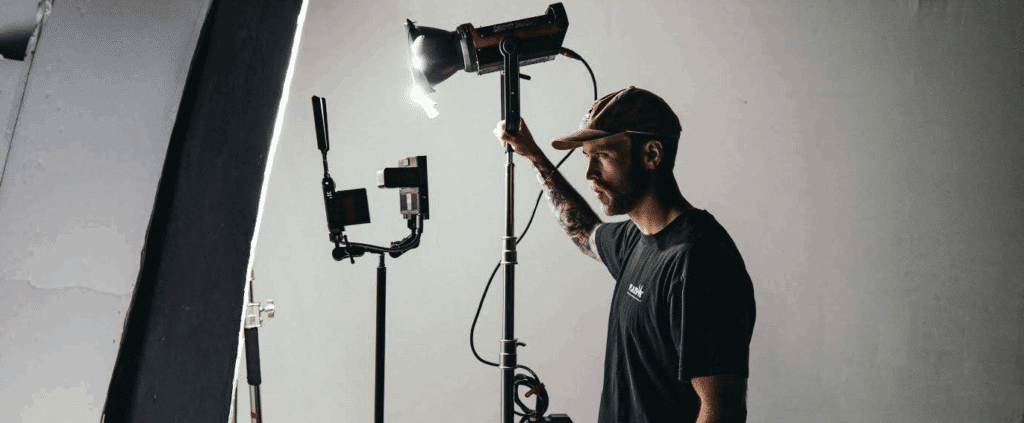
Gaffer
Head of the electrical department, in charge of lighting specifically.
Key Grip
Manages rigging, camera movement equipment. Most importantly, they ensure the equipment is used safely.
Sound Mixer
Captures clean on-set sound.
Production Designer
Oversees the sets, props, and visual environment.
Hair, Makeup and Wardrobe Teams
Ensure talent looks consistent and camera-ready.

The films I’m happiest with are the films where everything comes together, starting with a good script, the right director, a good cast and a good art director. It’s the bringing together of a team of people to bring a wholeness and a unity to the subject. I think the cinematographer’s work is part of the whole. – Billy Williams
And this is just the tip of the iceberg, with hundreds of other crew members divided into the different film departments. With so many people involved, how do productions make sure everything stays on track?
Well, luckily there is always a general hierarchy in place. During a production, the director communicates their vision to department heads, who then relay tasks to their teams.
This hierarchy ensures efficiency, for example, a grip doesn’t take lighting instructions directly from the director. Instead, they follow the gaffer’s lead, who’s already coordinated with the DP.
Related Reading: Beyond the set: Exploring different jobs in the film industry – Celtx Blog
How Pre-Production Tools Make Production Smoother
So, we already know that production is all about the execution. But its success also relies heavily on the shoulders of pre-production tools and planning.
Here are the essential tools you should 100% be using to kickstart your next production process and make sure it runs smoother than smooth!
Scheduling Software and Stripboards
Make sure to break down your script into scenes. From there, you can arrange the shooting order and plan location moves efficiently.
Shot Lists
It’s also wise to break down every shot, noting any framing, lens, and movement details into a shot list.
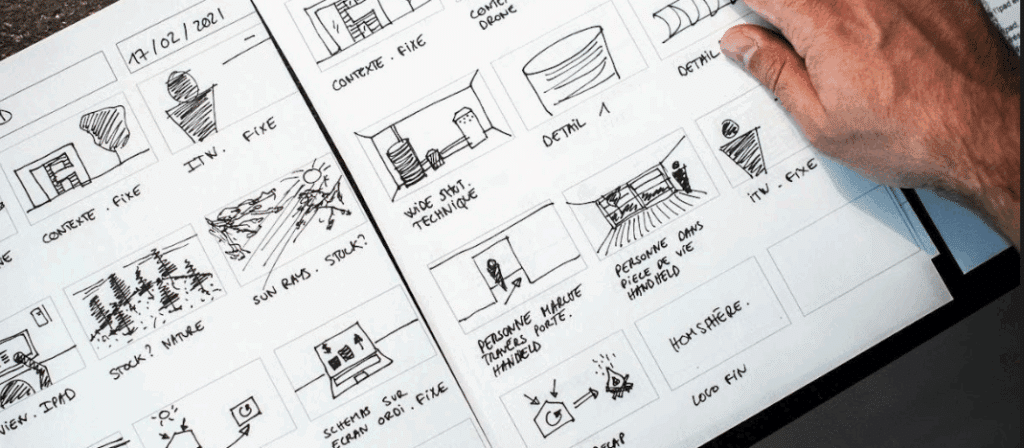
Storyboards
Visually frame each of your shots, especially if you have many complex sequences into a storyboard.
Call Sheet Templates
Call sheets are essential for consistent, clear communication of daily requirements.
“In film, I find it very useful always to do some preparation before you start rehearsals or start shooting, because there’s so much that’s against you on a film set.” – Ben Wishaw
Okay, so where can you actually find all these tools? Well, say no more, as here at Celtx, we offer integrated tools for all of the above! So go on, fill your boots here.
By using all these tools, you’re all set for when day one of shooting comes around. The entire crew already knows what scenes are being shot, what props are needed, and which actors are on call.
The result? Fewer delays and more efficient shoot days.
What Comes After Production?
Once the last shot is in the can, the production phase officially wraps. However, the film’s journey is far from over.
The next stages include:
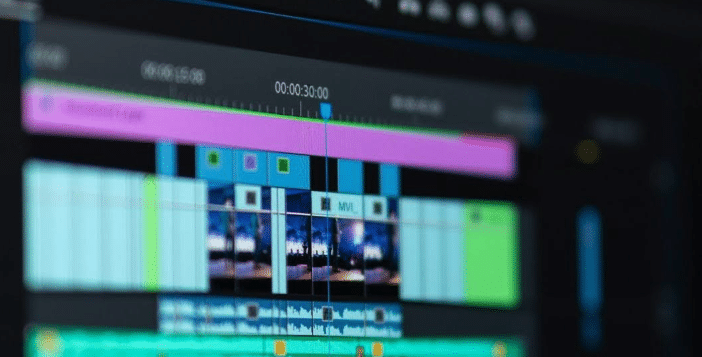
- Post-production (editing, sound design, visual effects, color grading, and final mix)
- Marketing and distribution (creating trailers, posters, and promotional materials)
- Exhibition (the film’s release, whether in theaters, on streaming platforms, or at festivals)
Want to know more about the process after production? We’ve covered these in depth in the following blogs:
Post-Production 101: Everything You Need to Know
What is Film Distribution? A Guide for Indie Filmmakers
Conclusion
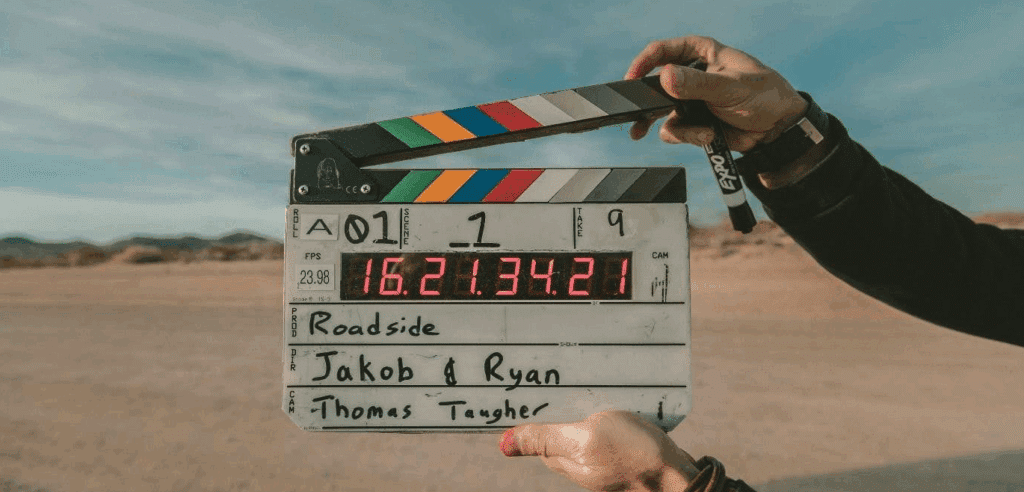
Production is the heartbeat of filmmaking, the moment when all the preparation pays off and the creative vision starts to breathe. From the director calling “Action!” to the clapperboard snapping shut, every department works in harmony to transform words on a page into living, breathing scenes.
By the time production begins, a strong foundation from pre-production can mean the difference between a chaotic, stressful shoot and a smooth, productive one. The right tools, a clear chain of command, and disciplined scheduling allow the magic to happen without burning through time and money.
When the cameras stop rolling, you’re left with raw material: the building blocks for your film’s next chapter: post-production. But that’s a story for another day.
Focus on your story, not your formatting.
Let Celtx’s Script Editor automatically apply all industry rules while you focus on the story.
Up Next: Keep the Cameras Rolling on Your Knowledge
Now that you know what goes into post-production, take your filmmaking skills to the next level with these resources:
- How to Write a Movie Script – Learn the steps to turn your idea into a production-ready screenplay.
- Breaking Down Your Script for Production – Discover how to prepare your script so production runs smoothly.
- Film Budgeting for Beginners – Plan your budget and avoid costly surprises during production.