The conflict between a protagonist and antagonist is at the heart of nearly every compelling story. Everything else, including the other characters and the plot, stems from this conflict.
Through this dynamic, tensions are created, stakes are risen, and the theme of the story comes to life.
We may understand what makes a protagonist and what makes an antagonist, but what is it about them and their conflict that shapes the course of a narrative? How do we use their relationship to inform the rest of the story?
In today’s article, we’ll explore these questions in depth, breaking down what makes the protagonist-antagonist dynamic so unique and critical to the stories we know and love, and how we can adopt these techniques into our own writing. So, buckle in, because it’s going to be a rollercoaster of a ride!
Table of Contents
- The Protagonist and Antagonist: Two Halves of a Story Engine
- Conflict Alignment: Matching the Antagonist to the Protagonist’s Flaw
- 4 Ways the Protagonist-Antagonist Dynamic Shapes Storytelling
- Examples of Dynamic Conflict in Film
- Testing Your Character’s Conflict Alignment
- Frequently Asked Questions About Protagonists and Antagonists
- Conclusion
The Protagonist and Antagonist: Two Halves of a Story Engine
At its simplest, a story is a journey toward a goal. To make that journey compelling, you need two opposing forces: one to drive the car (the Protagonist) and one to provide the friction that makes the drive difficult (the Antagonist).
Instead of thinking of them as “Good vs. Evil,” think of them in terms of their narrative function.
The Protagonist: The Agent of Change
The protagonist is your story’s central “pro-actor.” They are the character who pursues a goal and, in doing so, drives the plot forward. While we traditionally label them the “hero,” modern storytelling has proven that a protagonist doesn’t need to be virtuous—they just need to be compelling.
- The Internal Engine: Every great protagonist carries a “Fatal Flaw”—an internal struggle or belief that they must overcome.
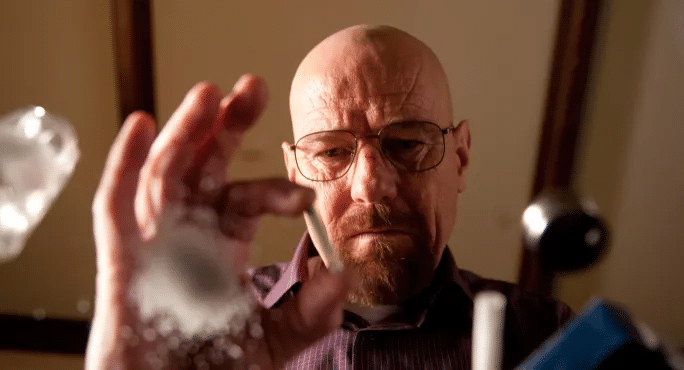
- The External Drive: Whether it’s Walter White (Breaking Bad) descending into a darker version of himself to provide for his family, or Michael Corleone (The Godfather) losing his moral compass to protect his father, the protagonist’s humanity is what hooks the audience. We root for them not because they are perfect, but because their struggle is authentic.
The Antagonist: The Architect of Conflict
The antagonist is the “re-actor.” Their sole purpose is to create obstacles that challenge the protagonist’s values and force them to grow. If the protagonist is the “Want,” the antagonist is the “Why Not.”
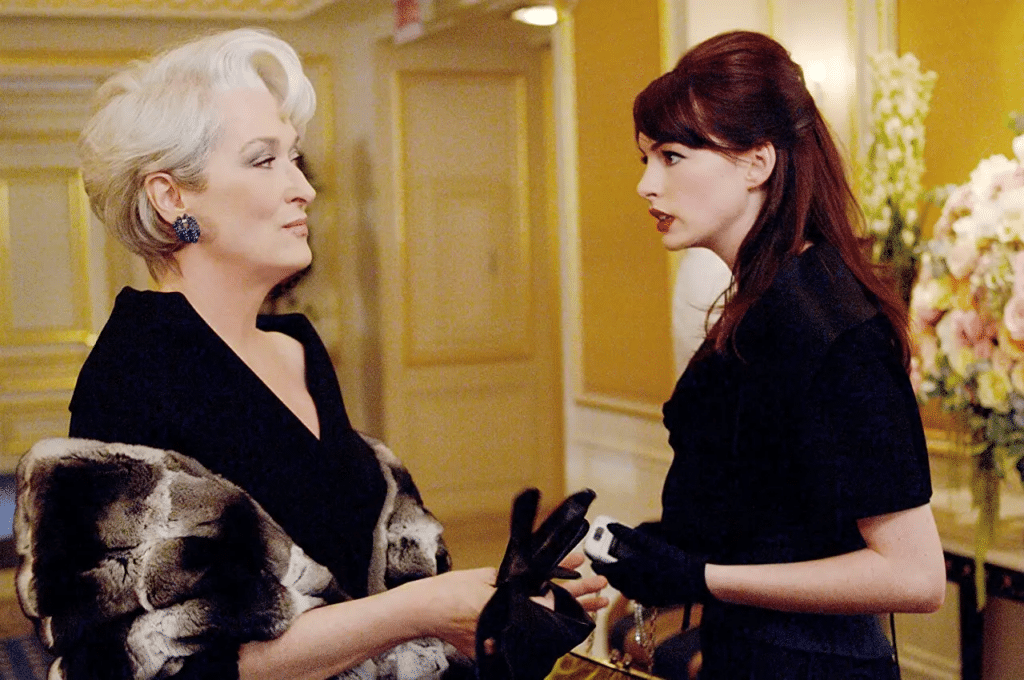
- Beyond the Villain: An antagonist isn’t always a “bad guy.” In The Devil Wears Prada, Miranda Priestly isn’t evil—she is an uncompromising force that forces Andy to reconsider her own values.
- Abstract Forces: The antagonist doesn’t even have to be human. It can be a societal structure, a natural disaster, or even abstract concepts like Time in The Curious Case of Benjamin Button or Fate in The Truman Show.
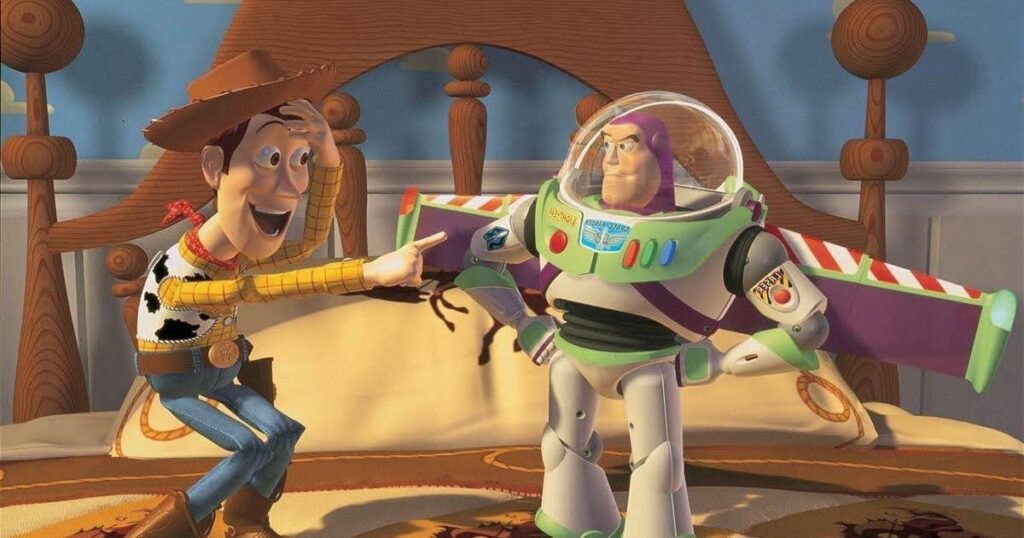
- The Rivalry: Sometimes, an antagonist is simply someone with a competing goal. In Toy Story, Buzz Lightyear is Woody’s antagonist because his presence threatens Woody’s status. They aren’t enemies; they are rivals.
The Secret to a Strong “Hub”: > If you find your script lacks tension, it’s usually because your protagonist and antagonist aren’t properly aligned. To build a truly dynamic cast, you must understand how to create a compelling protagonist and how to write a formidable antagonist as two distinct skill sets.
Conflict Alignment: Matching the Antagonist to the Protagonist’s Flaw
The most effective storytelling doesn’t just put two people in a room and make them fight; it uses Conflict Alignment. This is the practice of designing an antagonist specifically to exploit the protagonist’s internal “Fatal Flaw” (or Hamartia).
Without a compelling antagonist, a protagonist is in danger of lacking direction or purpose, with no reason to adapt, change, or evolve. The antagonist’s role is to act as a catalyst for the protagonist’s growth by attacking their specific vulnerabilities.
Case Study: The Mirror and the Flaw
Consider John McClane in Die Hard. If McClane wasn’t caught in the battle to rid Nakatomi Plaza of terrorists led by Hans Gruber, would he have gone through his iconic character arc? The short answer is no.
McClane’s “flaw” at the start of the film is his stubbornness and inability to adapt to his wife’s success and independence. Hans Gruber is the perfect aligned antagonist because he is the ultimate “planner”—sophisticated, intellectual, and in control. To beat Gruber, McClane is forced to confront his own vulnerabilities, let go of his rigid ego, and realize the depth of his love for his wife. Gruber’s presence completion a redemption arc for McClane as both a hero and a husband.
4 Ways the Protagonist-Antagonist Dynamic Shapes Storytelling
To build a “hub” that helps writers actually structure their scripts, we can break the dynamic down into four specific archetypes. Each one shapes the narrative in a different way:
1. The Mirror (The Shadow Self)
The Mirror is an antagonist who shares similar traits with the protagonist but has made a different moral choice. They represent “what the hero could become.”
- Narrative Impact: This forces the protagonist to look inward and define their own moral boundaries.
- Example: Batman vs. The Joker (Order vs. Chaos).
2. The Foil (The Contrasting Values)
The Foil exists to highlight the protagonist’s qualities by being their total opposite. If your protagonist is impulsive, the Foil is calculating.
- Narrative Impact: In the comedy classic Ferris Bueller’s Day Off, Principal Rooney is the ultimate Foil. Rooney’s obsessive, rule-bound pursuit of Ferris provides the friction that showcases Ferris’s wit and charm. Rooney doesn’t need to be a “villain”; he just needs to be the rigid wall that Ferris bounces off of.
3. The Obstacle (The Pure Resistance)
This archetype isn’t interested in a psychological battle; they are simply a formidable wall between the protagonist and their goal.
- Narrative Impact: This intensifies the plot’s stakes and forces the protagonist to think on their feet and evolve their physical or professional skills to survive.
4. The Internal Antagonist (The Enemy Within)
Sometimes the “Vs.” in the story isn’t with another person, but with a version of the self.
- Narrative Impact: This creates a psychological thriller or deep character study. The “Antagonist” is the protagonist’s own addiction, fear, or past trauma, often personified by an external character who represents that trauma.
Examples of Dynamic Conflict in Film
Some of the most iconic film moments in history are unforgettable interactions between protagonists and antagonists. It’s no wonder when they help drive the plot and shape the character arcs, contributing to the movie’s overall impact.
Let’s take a look at some of the most memorable moments from cinematic history, and how protagonists and antagonists have been making each other’s lives difficult!
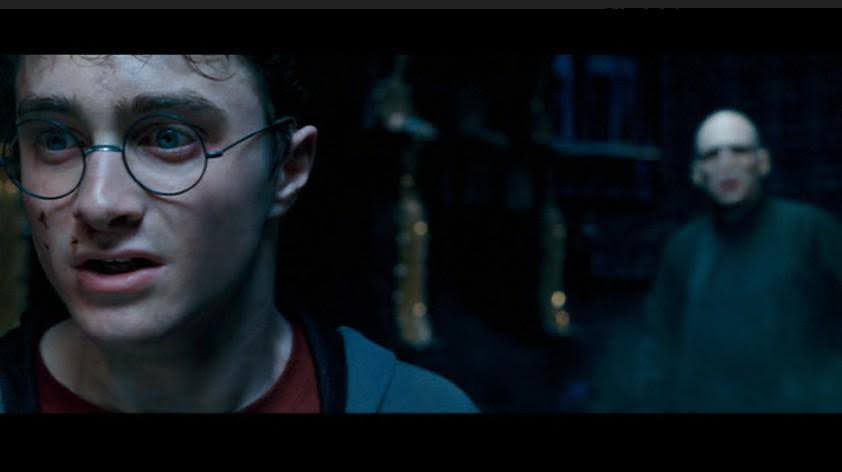
Harry Potter vs. Voldemort
From the moment protagonist Harry discovers the wizarding world and his impact on it, he becomes embroiled in an extensive battle not just for his life, but also for the survival of the magical community. While Harry is the embodiment of innocence when we first meet him, Voldemort is the complete opposite, harboring fear, evil and tyranny.
The battle between Harry and Voldemort is a personal one, using physical strength and magical ability, but there is more at stake. Throughout the book and movie series, we learn more about the wizarding world, and the ideologies in conflict with one another.
On the one side, Voldemort and his followers believe in blood purity and the subjugation of Muggles (non-magic people), while Harry, shaped by his parents’ legacy and the friendships he forms as he becomes fully embraced in the magical world, believes in hope, compassion and resistance to persecution.
While the relationship between Harry and Voldemort drives the story forward, with the stakes raised further as we learn that ‘neither can live while the other survives’, it also has a profound impact on the wider world.
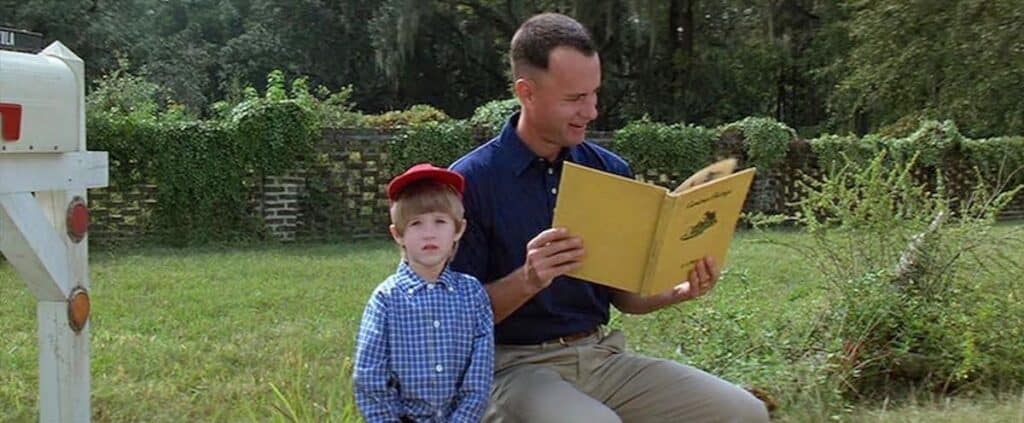
Forrest Gump vs. Society
The primary conflict for Forrest isn’t in another person, but between hum and the various societal forces and expectations that shape his life.
Born with a low IQ, Forrest is considered incapable of achieving much in life by those around him. Societal expectations mean he’s often overlooked, underestimated and pushed aside. It’s through his determination and kindness that he challenges these assumptions. He ultimately succeeds in this battle of wills and changes the course of history in subtle yet profound ways.
Round 3: T’Challa vs. Killmonger
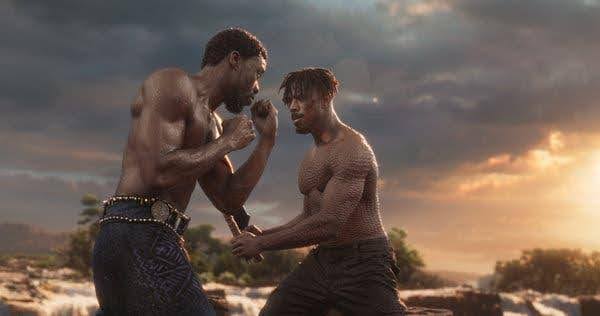
In Black Panther, the relationship between protagonist T’Challa and antagonist Erik Killmonger is defined by their radically different views on what Wakanda should stand for and how it should relate to the rest of the world.
While T’Challa represents a sense of duty, tradition and responsibility, Killmonger wishes to share Wakanda’s technology and resources with oppressed black people around the world, even if that means overthrowing the monarchy.
Here, the ideological clash is what causes the conflict and is at the heart of the movie’s narrative. Both these characters are great examples of protagonists and antagonists that aren’t clear cut. Neither are what we would call a ‘good’ or ‘bad’ person. Instead, they have opposing viewpoints, part of a larger philosophical and political debate.
This conflict ultimately forces both T’Challa and Killmonger to confront the nature of leadership and what it truly means to be a king.
Round 4: Andy Sipowicz vs. Internal Demons
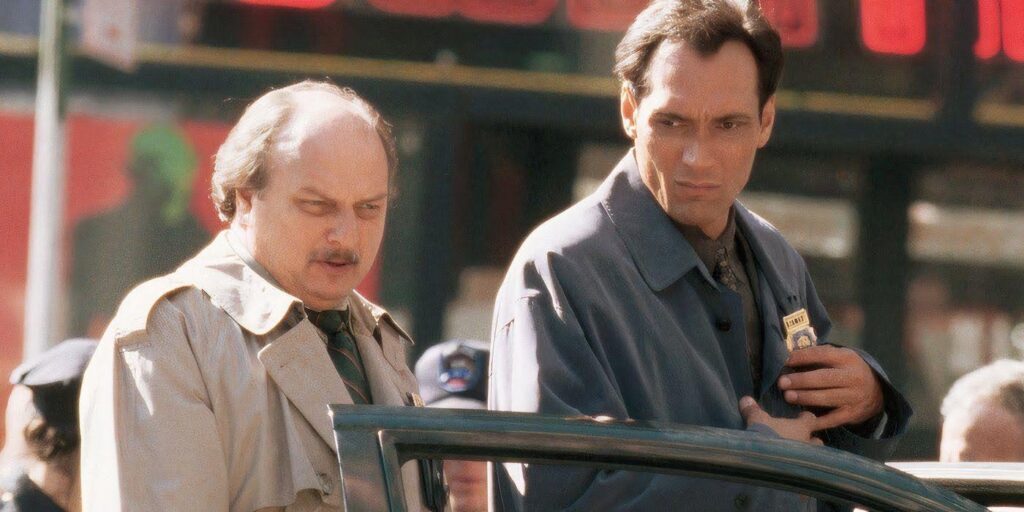
Of course, it’s not just in movies where we see compelling protagonist and antagonist battles. In NYPD Blue, Sipowicz, a deeply flawed cop, battles with alcoholism and his struggle to accept the man he has become. In this case, the antagonist isn’t another person or outside force, but his own inner turmoil.
Over the course of the series, Sipowicz tries to overcome his vices and become a better person. But to do this, he must deal with the consequences of his actions, reconciling with his own guilt, shame and anger.
Ready to build unforgettable rivals?
Celtx can help you craft both heroes and villains with ease.
Click here to start your free trial!
How to Create a Protagonist with Flaws and Depth
Creating a compelling protagonist isn’t about making them “likable” — it’s about making them functional within your story’s conflict. Use this four-step framework to build a character with enough internal depth to drive a narrative.
How to Create a Protagonist with Flaws and Depth
- Define the “Want” (The External Goal)
Before you can create conflict, you must define the destination. What is the one thing your protagonist is willing to destroy their life to achieve? Whether it is selfish (wealth) or noble (saving a life), this desire is the engine of your plot.
- Identify the “Need” (The Internal Flaw)
The Flaw is the internal obstacle that prevents the protagonist from achieving their goal in a healthy way. This is usually born from a past trauma or a deep-seated insecurity.
Example: In Breaking Bad, Walter White’s goal is to provide for his family. However, his “Need” is to overcome his own pride and vanity. His cancer is the catalyst, but his fear of being “small” is the flaw that complicates his journey. - Introduce the “Ghost” (The Backstory)
A flaw shouldn’t be random; it should be a result of their environment or a “ghost” from their past. This makes the character contradictory and human.
Tip: Introduce the flaw early. Let the audience see the character make a “wrong” choice because of their flaw in the first ten minutes. This creates immediate stakes. - Weaponize Contradictions
Authentic characters rarely act in perfect alignment with their words. To create depth, give your protagonist behaviors that contradict their stated goals.
Example: In House, Dr. Gregory House is crass, cynical, and emotionally distant. However, his actions are driven by a desperate, almost obsessive need to save lives. This friction between his demeanor and his duty is what makes him a fascinating, three-dimensional protagonist.
Testing Your Character’s Conflict Alignment
A common mistake in early drafts is having a protagonist and antagonist who are both interesting, but whose conflict feels like “filler.” To ensure your characters are properly aligned to generate maximum tension, run them through this three-point audit:
- The Flaw-to-Strength Match: Does the antagonist possess a strength that specifically targets the protagonist’s fatal flaw? If your protagonist is an arrogant loner, your antagonist should be a master of social manipulation or someone whose power comes from a massive, loyal network.
- The “Why Not?” Test: If the antagonist stepped out of the story for five minutes, would the protagonist immediately achieve their goal? if the answer is yes, your antagonist is functional. If the answer is no, the protagonist is likely fighting “the plot” rather than a true counter-force.
- The Mirror Alignment: If the protagonist made one wrong choice in their past, would they become the antagonist? A great “Vs.” dynamic often feels like two sides of the same coin.
Writing Exercise: Write a one-paragraph scene where your protagonist and antagonist have to wait for the same elevator. They cannot fight physically. How does the antagonist use their words to make the protagonist feel the weight of their own internal flaw?
Frequently Asked Questions About Protagonists and Antagonists
Yes. A protagonist is defined by their role as the primary driver of the plot, not by their morality. In “Anti-hero” or “Villain Protagonist” stories (like Nightcrawler or American Psycho), the central character is morally reprehensible but remains the protagonist because the story follows their journey and goals.
No. While many stories use a person as the antagonist, conflict can come from “non-human” forces. This is often categorized as Man vs. Nature (a storm), Man vs. Society (oppressive laws), or Man vs. Self (internal addiction or mental health struggles). As long as it provides an obstacle to the protagonist’s goal, it is an antagonistic force.
In tragedies, yes. If the antagonist wins, it usually serves to highlight the protagonist’s failure to overcome their internal “Fatal Flaw.” While less common in traditional blockbusters, an antagonist winning can provide a powerful, haunting ending that forces the audience to reflect on the story’s themes.
A co-protagonist shares the same primary goal as the main character (like a buddy-cop duo). An antagonist, even if they are a friend or ally, has a goal that actively stands in the way of the protagonist’s progress. A character can switch between these roles as their motivations change throughout the script.
Absolutely. Many complex narratives use “layered conflict.” For example, a protagonist might face a Primary Antagonist (the main villain), a Secondary Antagonist (a rival at work), and an Internal Antagonist (their own self-doubt). All these forces work together to make the protagonist’s journey more difficult.
Conclusion
The protagonist-vs-antagonist dynamic is the driving force behind every great story. The tension between these opposing forces shapes character arcs, drives conflict, and heightens the stakes. Whether the antagonist is a villain, societal force, or internal struggle, it is this relationship that adds depth, meaning, and engagement to storytelling.
Ready to write conflict that drives your story?
Start crafting your own powerful protagonist and antagonist today with Celtx.
Up Next:
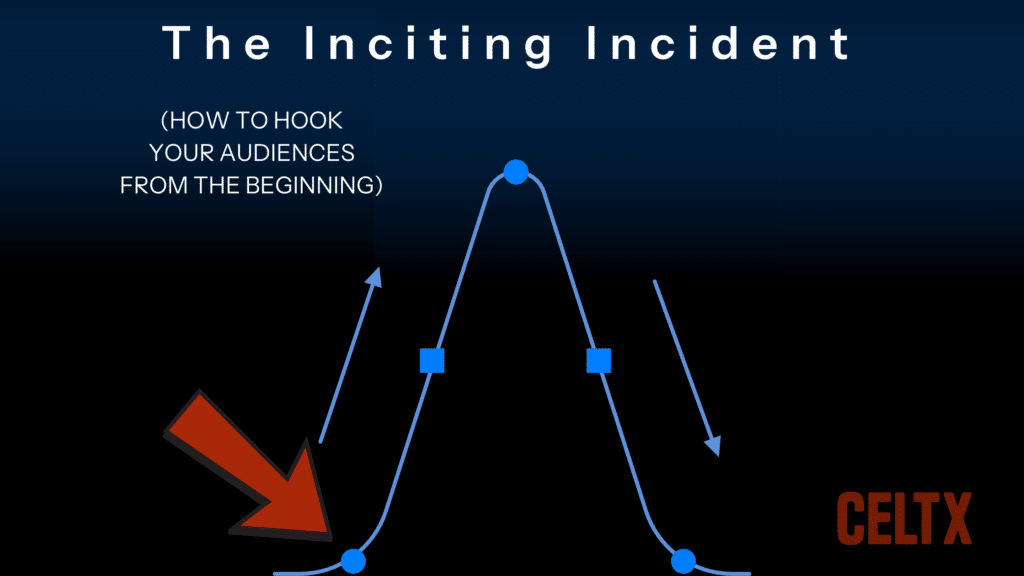
The Inciting Incident: 5 Steps to Hook Audiences from the Start
You’ve built your protagonist and designed an antagonist perfectly aligned to challenge them. Now, you need the spark that forces them into the same arena.