Writing a sequel sounds simple until you actually try to do it. You already have the world. You already have the characters. You already know the tone, the genre, the audience, and the thing people liked the first time. Surely the sequel should be easier, right?
Well, sequels are difficult because they have to do two almost contradictory things at once. They need to give the audience more of what they loved, but not so much more that it feels like leftovers reheated in a more expensive dish. They need to feel familiar, but not predictable.
A great sequel doesn’t simply repeat the first story but should ask what happens next that genuinely matters?
In today’s blog, we’ll explore what makes a good sequel and how to write something that is actually going to stand out from its predecessor.
Let’s go!
Table of Contents
- Why Sequels Are So Difficult
- What Successful Sequels Have in Common
- Sequel Tip 1: Raise the Stakes, Don’t Repeat Them
- Sequel Tip 2: Expanding Character Arcs
- Sequel Tip 3: Growing the World Without Losing Focus
- Common Sequel Mistakes
- Examples of Great and Poor Sequels
- FAQs About Writing Sequels
- Conclusion

Why Sequels Are So Difficult
The first story usually has a clean emotional engine. A character wants something, they face conflict, they change, and the ending resolves the central journey, or at least satisfies it. A sequel has to reopen the story without undoing that resolution.
That’s where things get tricky. If the first film was about a coward finding courage, the sequel can’t simply make them a coward again because the plot needs somewhere to start. If the first story ended with two people finally trusting each other, the sequel should not casually reset them to square one unless there is a very strong reason.
Another challenge is escalation. Sequels often think “bigger” means “better”: more villains, locations, mythology, characters, and lore. Okay, sometimes this can work, but sometimes it can bury the story completely.
A sequel needs expansion, but it also needs focus where the emotional question should remain clear.
What Successful Sequels Have in Common
Successful sequels usually understand what made the original work beneath the surface. They don’t just repeat the premise but evolve the emotional problem.
The Godfather Part II expands the world of the first film while deepening the tragedy of Michael Corleone. It doesn’t simply ask, “What if there was more mafia?” It asks what power costs after the soul has already started to rot.
Terminator 2: Judgment Day takes the original’s survival horror framework and shifts it into action, family, and redemption. It keeps the central threat of unstoppable technology but changes the emotional dynamic.
Aliens does not copy Alien. It changes genre from contained horror to war/action survival, while giving Ripley a new emotional arc through motherhood and trauma.
Paddington 2 works because it understands the emotional appeal of the first film: kindness, community, and a gentle belief that decency can transform people. The sequel expands the story without becoming cynical or overcomplicated.

What these sequels have in common is purpose. They aren’t just “more” but a new test of the same core idea.
Sequel Tip 1: Raise the Stakes, Don’t Repeat Them
Raising the stakes doesn’t always mean making the threat larger. If the first film threatened one town, the sequel doesn’t automatically need to threaten the entire planet. That may feel bigger on paper, but it can become emotionally smaller if the audience stops feeling the cost.
Stakes should grow in ways that challenge the character differently:
- If the first story tested whether a character could survive, the sequel might test whether they can protect someone else.
- If the first tested whether they could fall in love, the sequel might test whether love can survive real life.
- If the first tested whether they could defeat a villain, the sequel might test whether victory changed them into someone they no longer recognise.
Good sequel stakes often come from consequences. What did the first story leave behind? Who was hurt? What changed in the world? What new responsibility does the protagonist carry? What old wound did victory fail to heal?
Sequel Tip 2: Expanding Character Arcs
One of the biggest sequel mistakes is assuming that a completed character arc leaves nowhere to go. In reality, growth creates new problems:
- A character who learned to be brave may now have to learn when not to charge in.
- A character who found independence may now struggle with intimacy.
- A character who gained power may now face responsibility.
- A character who escaped their past may discover that freedom does not automatically equal peace.
Don’t reset the character but evolve them. Ask:
- What did the first story teach them?
- What did it fail to solve?
- What new flaw could grow from their previous victory?
- What would genuinely challenge the person they have become?
This is how sequels avoid emotional repetition. The protagonist shouldn’t be fighting the exact same internal battle. They may still carry scars, habits, or fears, but the sequel should pressure them from a new angle.
You can also shift focus to another character. A sequel may explore a supporting character more deeply, introduce a new protagonist, or create a generational handoff. That can work beautifully, as long as the emotional connection to the original remains clear.
Sequel Tip 3: Growing the World Without Losing Focus
Sequels often expand the world, and this can be really exciting. New locations, new rules, new factions, new history, new threats. The danger is that world-building can become a very fancy distraction. A larger world should create better drama, not just more information.
Before adding new mythology, ask what it does to the story. Does it reveal a new side of the protagonist? Does it complicate the central conflict? Does it raise meaningful stakes? Does it challenge what the audience thought they understood? If the answer is no, it may just be lore wearing a dramatic cloak.
The world should expand around the emotional center, not away from it. If your sequel introduces a new kingdom, school, planet, company, cult, crime syndicate, or magical council, make sure the audience still knows whose journey they are following and why it matters.
Map out your next story with Celtx Beat Sheets and story planning tools.
Common Sequel Mistakes
So, we’ve talked about the dos but what about the don’ts? Here are the most common mistakes you should be avoiding.
Repeating the First Plot Too Closely
This is the most obvious trap. It’s all the same structure, same emotional beats, same villain function, same ending, just slightly more expensive. Audiences may enjoy familiarity, but they still need a new experience. Otherwise, what’s the point?
Confusing Bigger with Better
More characters, more locations, and more action don’t guarantee a stronger sequel. If the emotional stakes are weaker, the story may feel smaller no matter how much is happening.
Overloading the Mythology
Sequels are often tempted to explain everything. Every mystery gets a backstory, every object gets a prophecy, every villain gets a childhood flashback. Sometimes mystery is stronger when it remains partly mysterious.
Forgetting New Viewers
A sequel should reward returning fans, but it still needs clarity. If a viewer spends the first half trying to remember twelve references from the original, the story may not be standing on its own.
Serving Fans Instead of the Story
Sure, callbacks are fun and nostalgia can be powerful. But a sequel can’t survive on recognition alone. “Remember this?” isn’t a plot point!
Undoing the Original Ending
If the first story ended with a meaningful victory, don’t casually erase it just to create conflict. Consequences are interesting. Reversals can work. But lazy resets make the first story feel pointless.
Examples of Great and Poor Sequels
A great sequel usually deepens the original, and here are some of the best.
Star Wars: The Empire Strikes Back (1980)
The second instalment of the Star Wars franchise expands the world we know while making the emotional and moral stakes darker. It does not simply repeat the Death Star structure. It challenges the characters, separates them, and leaves them changed.
Toy Story 2 (1999)
Toy Story 2 takes the original’s themes of friendship and belonging and adds a new fear: abandonment. Woody’s arc grows naturally from the first film without simply replaying it.
Before Sunset (2004)
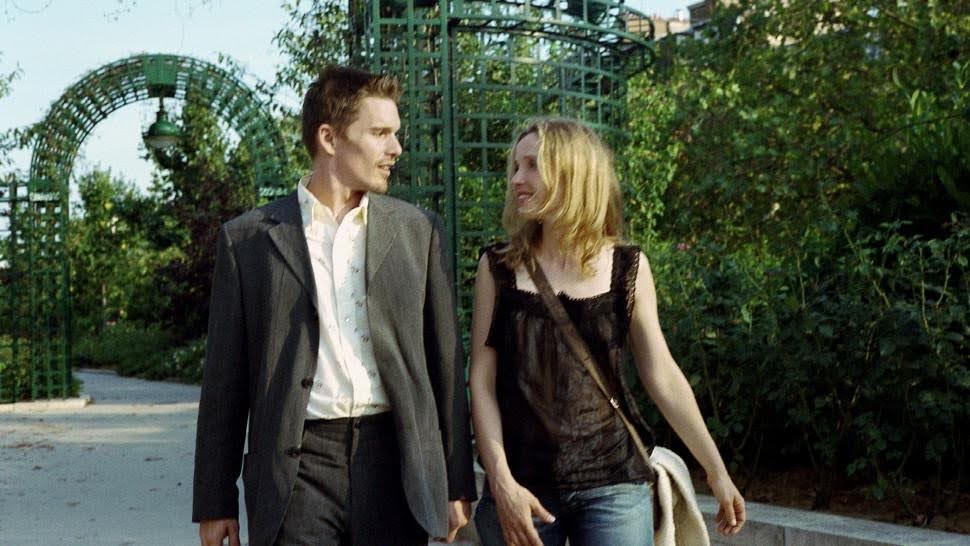
Before Sunset is another strong example because it evolves the emotional question. Before Sunrise asks what one night of connection can mean. The sequel asks what that connection means after time, regret, and adult life have intervened.
Speed 2: Cruise Control (1997)
Speed 2: Cruise Control is often used as an example of a sequel that keeps a version of the action premise but loses much of the original’s simple, high-pressure engine.
Jaws 2 (1978) & Jaws: The Revenge (1987)
Several later Jaws sequels struggled because the original’s specific suspense, character grounding, and novelty were difficult to recreate without feeling repetitive.
The lesson isn’t that sequels should never change, or that they should never return to familiar pleasures, but that a sequel needs a reason to exist beyond brand recognition.
Check out this list from the BFI of 10 of Hollywood’s most influential sequels ever!
FAQs About Writing Sequels
Not necessarily. A sequel can echo the structure of the original, especially in genres where audiences enjoy familiar rhythms, but it should not feel like a copy. The structure should serve the new emotional journey. If the protagonist is facing a different kind of challenge, the shape of the story may need to change too.
Enough to create a fresh dramatic experience, but not so much that the sequel loses the identity of the original. Keep the core appeal: tone, theme, character dynamic, genre promise, or emotional centre. And then change the test, the pressure, the consequences, or the perspective.
Yes, a sequel can shift protagonists if the new lead has a strong emotional connection to the world, themes, or consequences of the original. This works especially well in generational stories, ensemble worlds, horror franchises, or stories where the setting or central idea is bigger than one character.
No, some stories are powerful because they end and a sequel shouldn’t be automatic. If there is no meaningful new conflict, transformation, or thematic question, it may be better to leave the original intact.
Ask whether the sequel changes the characters, deepens the theme, and creates new stakes that grow naturally from the first story. If the idea is only “the same thing happens again,” it probably needs more development.

Conclusion
Writing a sequel isn’t about giving the audience the same story again but about giving them a new reason to care.
The best sequels understand what made the original work, then test it from a fresh angle. They honour the first story without being trapped by it. They raise the stakes emotionally, not just visually. They expand the world without losing the characters. They let previous choices create new consequences. That’s how a sequel earns its place.
So, before you bring everyone back for another round, ask the hard question: what is unfinished in this world, this character, or this theme? If the answer is strong enough, you may not just have a sequel but the next necessary chapter.
Ready to build your next screenplay?
Start planning and writing in Celtx for free today!
Up Next:

How to Raise the Stakes: 5 Pro Techniques to Fix a “Flat” Script
A great sequel demands much bigger obstacles for your returning characters. Learn how to naturally raise the physical, emotional, and moral stakes in your next script to keep your audience hooked.