If you’ve ever turned up to set late, gone to the wrong location, or realized halfway through the morning that no one seems to agree on what scene you’re shooting, chances are the problem started long before principal photography.
It started with the call sheet.
The call sheet is one of those deceptively simple documents that quietly carries the entire shoot day on its back. When it’s done well, the day flows. People know where to be, when to arrive, and what’s expected of them. When it’s done badly, the cracks show fast—missed call times, confused departments, avoidable delays, and a creeping sense that the production is always playing catch‑up.
In today’s blog, we’re going to walk through a real, practical call sheet example and break it down section by section. The kind that actually works on a shoot day.
What are we waiting for?
Table of Contents
- Call Sheet Overview
- What a Call Sheet Looks Like on a Real Shoot Day
- A Real Call Sheet Example (Filled Out)
- Breaking Down Each Section of the Call Sheet
- Why This Structure Works on Set
- Common Call Sheet Mistakes to Avoid
- How to Create a Call Sheet Like This Faster
- Frequently Asked Questions
- Conclusion
Call Sheet Overview
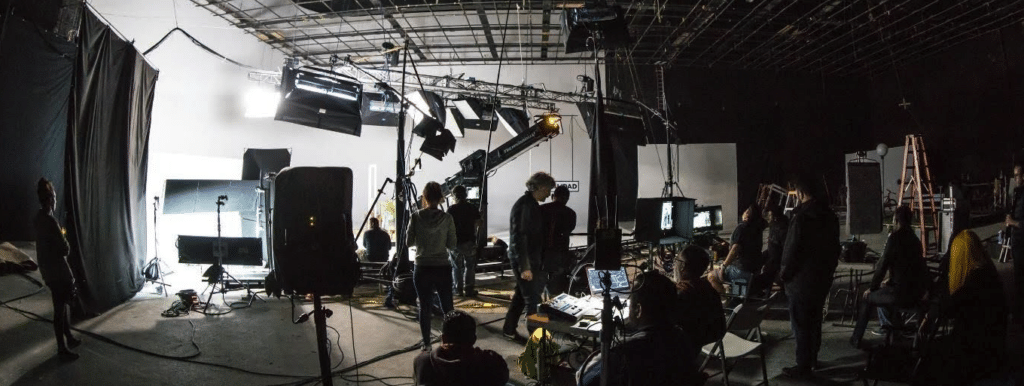
A call sheet is the production’s daily roadmap.It’s issued ahead of each shoot day and tells cast and crew everything they need to know to turn up prepared and on time. A great call sheet should inform and set expectations quickly.
Within seconds of opening it, the reader should understand what kind of day they’re walking into. Is this a heavy dialogue day or a technical exterior? Is it a short shoot with two scenes, or a long company move across multiple locations? Or maybe it’s a relaxed call or an early start with tight turnaround?
The best call sheets respect people’s time and attention. They answer questions before they’re asked, and they do it clearly, without burying key information under unnecessary detail.
Take a deep dive into call sheets: What is a Call Sheet? [with Templates]
What a Call Sheet Looks Like on a Real Shoot Day
Before we dive into specifics, let’s zoom out and look at what a call sheet is trying to do on a practical level.
On a real shoot day, people are tired. They’re checking the sheet on their phones, often early in the morning, sometimes while travelling. They don’t want to hunt for information. They want fast context and clear instructions.
A strong call sheet provides:
- Immediate clarity about what day this is and what’s being shot
- Clear call times by role or department
- A straightforward outline of the shooting schedule
- Location details that are impossible to misinterpret
- Notes that highlight anything unusual, sensitive, or time‑critical
With that in mind, let’s look at an example.
A Real Call Sheet Example (Filled Out)
Below is a clean, readable mock call sheet for a small‑to‑mid‑scale narrative shoot. This is the level of detail you’d expect for a professional short film or indie production.
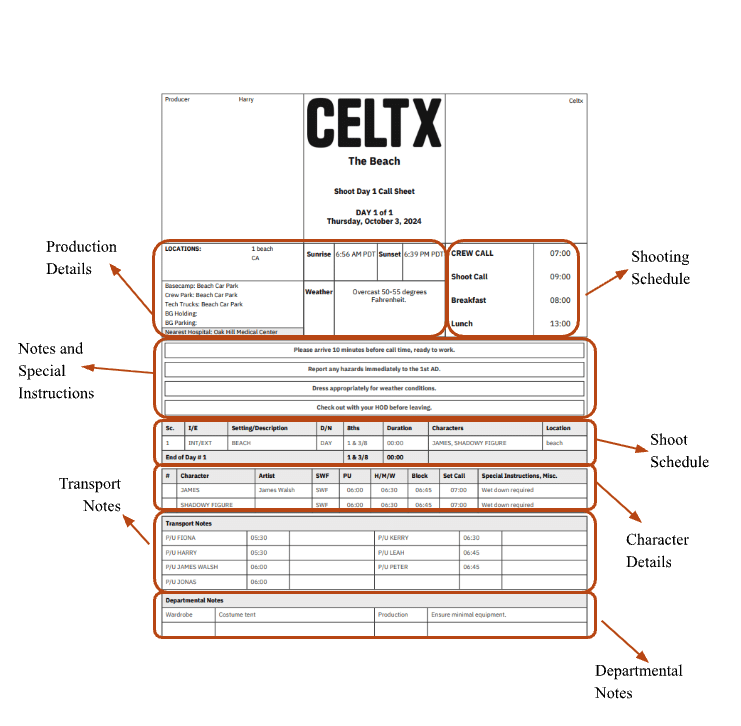
This isn’t flashy. It’s not trying to impress anyone. But it tells everyone exactly what they need to know to do their job.
Breaking Down Each Section of the Call Sheet
Now let’s break it down.
Production Details
Right at the top, you’re anchoring the document.
The production title, company name, and key heads of department give immediate context. Even on small shoots, this matters. Crew members may be working multiple jobs or bouncing between productions. A clear header avoids confusion and sets a professional tone from the start.
Including the shoot day number (“Day 1 of 1”) is especially useful. It helps everyone mentally place where they are in the schedule and anticipate the pace of the day ahead.
Weather, sunrise, and sunset are super practical; natural light affects camera setups, scheduling, and energy levels. Ignoring that reality never ends well.
Cast and Crew Call Times
This is the section people look for first, and the one where clarity is non‑negotiable.
A single “general crew call” works well, but it’s can also be helpful to also highlight departmental call times where relevant. Camera, art, and wardrobe often need early access, while cast may need hair and make‑up before the general call.
The key here is consistency. Times should be realistic, coordinated with the schedule, and aligned across departments. If your call times are optimistic rather than achievable, the entire day starts off on the wrong foot.
One common mistake is assuming everyone knows when they’re supposed to arrive. If there’s even a chance of ambiguity, write it down.
Shooting Schedule
The schedule section doesn’t need to recreate the entire shooting schedule or stripboard. Its job is to give a clear snapshot of what’s being achieved that day.
Listing the scene numbers, locations, and general action (“INT./EXT. TRAIN STATION – DAY”) is usually enough. What matters most is that departments can anticipate the demands of the scenes: whether dialogue‑heavy, technical, crowded, quiet, controlled, or public.
This section helps crew prepare mentally and practically. Camera knows what kind of setups are coming. Sound knows where the challenges will be. Everyone steps onto set with the same expectations.
Locations and Logistics
Location details are where call sheets often fall apart because the information is buried or unclear.
A good call sheet treats location like a first‑class priority. The address should be precise. Parking instructions should be realistic. If access is restricted or shared with the public, that needs to be stated plainly.
Including the nearest hospital may feel overly cautious, until the day you need it. It’s a small line with a large impact, and it signals professionalism and care for the team.
The goal here is simple: no one should arrive late because they didn’t know where to go.
Notes and Special Instructions
This is where you speak directly to the realities of the day.
Notes should be brief, specific, and genuinely useful. They’re for anything that could affect safety, timing, tone, or workflow.
Weather warnings, public location reminders, sensitive content, limited cover, or unusual constraints all belong here. When notes are handled well, they prevent frustration and misunderstandings before they happen.
Create organized call sheets faster with Celtx’s free call sheet template.
Why This Structure Works on Set
So, why does this actually work?
Clarity at a Glance
This call sheet works because it front‑loads information people need immediately. Production title, shoot day, call times, and location details appear before anything else, so no one has to scroll or scan excessively to orient themselves. On a real shoot day which is often early, often rushed, that clarity matters more than elegance. People understand the day within seconds of opening the document.
Reduced Delays Before They Start
Clear departmental call times and a realistic shooting window cut down on micro‑delays that quietly derail schedules. When camera knows they’re in earlier than general crew, and cast know exactly when hair and make‑up starts, the morning runs smoother. Fewer clarification messages, fewer late arrivals, and less time lost re‑aligning departments once the day has already begun.

Departmental Alignment
A shared understanding of what’s being shot and where it’s happening keeps departments working toward the same goal. Camera, sound, art, and production management are all reading the same information, framed at the same level of detail. That alignment reduces friction on set and allows departments to anticipate each other’s needs rather than reacting in isolation.
Common Call Sheet Mistakes to Avoid
Here are some key things to consider when putting together your call sheet.
Missing or Assumed Information
One of the most common mistakes is leaving out details because they feel “obvious.” Parking, access restrictions, public locations, or early departmental calls are often assumed rather than stated. On a busy shoot, assumptions are expensive. If someone could reasonably ask a question about it, it belongs on the call sheet.
Unclear or Unrealistic Timing
Call sheets fail quickly when the timing doesn’t add up. If the general crew call, departmental calls, and shooting start don’t logically align, the day begins with confusion. Equally damaging are overly optimistic schedules that ignore set‑ups, company moves, or weather constraints. A call sheet should reflect reality, not aspiration.
Overloading the Page
More information does not equal better communication. Call sheets that try to include everything: long scene descriptions, excessive notes, dense formatting, often bury the most important details. When nothing stands out, people miss what matters. The goal is not completeness; it’s usability.
How to Create a Call Sheet Like This Faster
How to create a call sheet like our example faster
- Lock In the Schedule
The biggest time‑sink in call sheet creation is trying to document information that’s still shifting.
Before you open a template or tool, make sure the following are genuinely locked: which scenes are being shot, the primary location(s), and the intended shoot hours.
The call sheet should reflect decisions already made, not become the place where those decisions are debated. Even small uncertainties like whether you’re starting inside or outside can ripple through every department call time. - Pull Information From a Single Source
Speed comes from not re‑entering the same data over and over again. Your call sheet should pull directly from whatever document already holds your production details, whether that’s a schedule, script breakdown, or production management software.
Scene numbers, character names, and locations should already exist somewhere. Copying them by hand invites errors; reusing structured information reduces them. - Set Call Times by Workflow
Call times should be built backwards from when you realistically want to shoot, not forwards from an arbitrary start. Think through the flow of the morning: prep, department set‑ups, rehearsals, and first shot.
Camera and art departments often need access before general crew call, while cast may need hair and wardrobe well in advance. When call times are based on actual workflow, the day starts calmer and stays that way. - Prioritize Readability
A faster call sheet is one that’s easier to read, not one with less information. Use hierarchy deliberately. Production details at the top. Call times grouped clearly. Locations easy to scan.
If someone opens the document half‑asleep on a train, they should find what they need within seconds. When readability improves, follow‑up messages drop, and that saves time you don’t always notice slipping away. - Add Notes That Solve Problems
The notes section is not for filler. It’s for anything that will change how someone approaches the day. Weather cover, public locations, sensitive scenes, access restrictions, or sound challenges all belong here.
Writing useful notes once is faster than answering the same question five times across different departments. If a note prevents confusion on set, it’s earned its place. - Use Templates
Once you’ve built a structure that works, don’t reinvent it each day. A solid template or production tool lets you drop in updated information while keeping layout and hierarchy consistent.
Over time, this turns call sheets into a routine task rather than a mental drain. The faster you can generate a reliable first draft, the more attention you can give to checking accuracy instead of formatting. - Check Before Sending
Sounds pretty obvious, but before sending the call sheet out, step away for a moment and come back with fresh eyes. Ask yourself three questions: Can I instantly see where I’m meant to be? Do the call times make sense in relation to each other? Is there anything I’d need to text the AD to clarify?
If the answer to the last question is yes, the call sheet isn’t quite finished.
For a more in-depth walkthrough: How to Make a Call Sheet: A Step-by-Step Guide

Frequently Asked Questions
At minimum: production details, shoot day information, cast and crew call times, locations, scene numbers, and practical notes. Anything less creates gaps that show up on set.
Detailed enough to prevent confusion, but not so dense that key information disappears. If it doesn’t help someone do their job, it probably doesn’t belong.
Typically, the 1st AD, sometimes in collaboration with production. Whoever owns it must understand the schedule and the real‑world flow of the day.
Usually the evening before the shoot day. Late enough to reflect final decisions, early enough to give people time to plan.
Conclusion
A call sheet isn’t just paperwork, it is the first conversation you have with your crew each day. When it’s clear, realistic, and thoughtfully structured, it sets the tone for everything that follows. People arrive prepared. Departments align quickly. The day has a rhythm instead of resistance.
You don’t need a perfect call sheet. You need an honest one. One that reflects the reality of the day and respects the people showing up to make it happen.
Get that right, and you’ve already done half the work before the camera even rolls.
Plan your entire shoot day in one place.
Celtx handles your production from script to screen.
The Production Essential: The Celtx Call Sheet Template
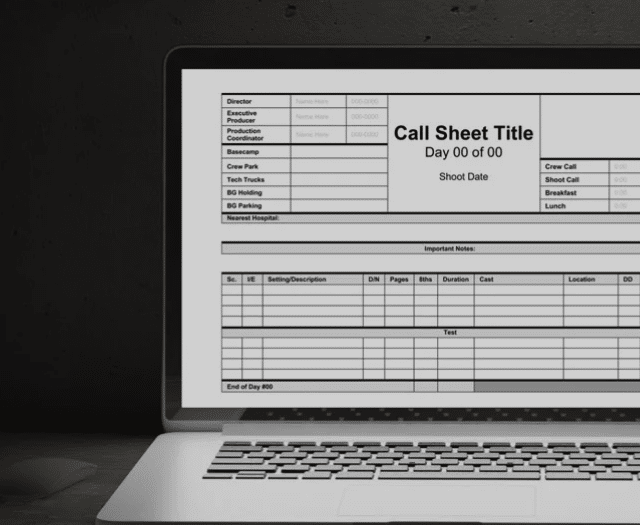
You’ve seen how the pros fill them out—now it’s time to build your own. Access our comprehensive call sheet resource to download the same industry-standard templates used in this guide and start coordinating your shoot day with confidence.