Every great video production starts with a moment of excitement. Someone has an idea for a campaign, a brand film, a YouTube series, or a cinematic product launch. The possibilities feel endless. But without a clear plan, that excitement can quickly spiral into confusion.
The director imagines one style. The marketing team expects another. The editor is missing key assets. Suddenly, the production is halfway complete, and everyone is asking the same question: What were we actually trying to make? This is exactly why the creative brief exists.
A creative brief is the single document that turns a vague idea into a shared vision. It defines the purpose of the video, the audience it’s meant for, and the tone it needs to achieve. Most importantly, it ensures that everyone involved from producers to stakeholders, starts the project aligned.
In modern video production, where campaigns move quickly and teams are often distributed across locations, a strong creative brief is no longer optional. It’s the blueprint that keeps the production moving in the same direction.
In this guide, you’ll learn what a creative brief actually is, how it differs from other production documents, and the seven essential components every brief should include. You’ll also find a practical step-by-step guide to writing one that aligns stakeholders and protects your vision from the first kickoff meeting to the final edit.
Let’s go!
Table of Contents
- What is a Creative Brief and Why Does Your Video Need One?
- Creative Brief vs. Script Breakdown: Knowing the Difference
- The 7 Essential Components of a Winning Creative Brief
- Free Creative Brief Template for Video Production
- How to Write a Creative Brief That Aligns Stakeholders
- Managing Your Vision: From Brief to Final Deliverable
- Common Mistakes in Creative Briefs
- FAQs
- Conclusion

What is a Creative Brief and Why Does Your Video Need One?
A creative brief is a concise document that outlines the strategic foundation of a video project. It communicates the purpose, audience, messaging, and creative direction before any scripts are written or cameras are turned on. Think of it as the bridge between strategy and execution.
Marketing teams often begin with a business goal: launching a product, increasing brand awareness, or promoting an event. Creative teams, on the other hand, focus on storytelling, visuals, and emotional impact. A creative brief connects those two worlds by translating business goals into creative direction. Without one, projects tend to drift.
Ideas change during production, stakeholders give conflicting feedback, and teams lose sight of the original objective. A creative brief prevents that by providing a clear reference point throughout the entire process. It answers essential questions such as:
- What is the purpose of this video?
- Who is the target audience?
- What message should viewers remember?
- What tone or style should the video have?
- How will success be measured?
By answering these questions early, the creative brief reduces revisions, speeds up approvals, and ensures that every decision supports the same goal.
In short, the creative brief is the document that keeps creative ambition grounded in strategy.
This guide explains how to write a creative brief for video production, including the key elements every brief should contain, plus a free downloadable creative brief template!
Creative Brief vs. Script Breakdown: Knowing the Difference
One of the most common points of confusion in video production is the difference between a creative brief and a script breakdown. Both documents are essential, but they serve very different purposes.
A creative brief happens at the beginning of the process. It defines why the video exists and what it needs to achieve. A script breakdown comes later once the script has already been written. It focuses on how the video will be produced by identifying all the elements needed to film each scene.
In other words, the creative brief shapes the vision, while the script breakdown organizes the logistics.
The creative brief is typically created during the project kickoff phase and shared with stakeholders, producers, and creative teams. It guides decisions about story direction, visual style, and messaging before the script is finalized.
Once the script is approved, the production team performs a script breakdown. This process involves analyzing the script line by line to identify elements such as props, costumes, locations, special effects, and cast requirements.
While both documents are crucial, confusing them can cause problems. If teams jump straight into production planning without a clear creative brief, they risk building logistics around an unclear concept. That’s how productions end up filming scenes that later get cut because they don’t support the core message.
The best productions follow a simple order: strategy first, execution second. And that strategy always starts with the creative brief.
The 7 Essential Components of a Winning Creative Brief
A strong creative brief isn’t long or complicated. In fact, the best ones are concise enough to read in minutes but detailed enough to guide an entire production.
While formats vary between agencies and studios, most successful briefs include seven key components.
1. Project Overview
The project overview introduces the video and explains its purpose in simple terms. It should answer the fundamental question: What are we making and why?
This section usually includes the campaign name, project background, and the main objective. Whether the video is a product launch, brand story, or recruitment campaign, the overview sets the stage for everything that follows.
2. Target Audience
Every creative decision should be made with a specific viewer in mind. The target audience section defines who the video is designed to reach.
This may include demographic information, audience interests, or behavioral insights. The goal is to help the creative team imagine the person watching the video and understand what will resonate with them.
A clear audience description often leads to sharper storytelling and more effective messaging.
3. Key Message
The key message is the core idea the viewer should remember after watching the video.
If someone sees your video once and walks away remembering a single thing, this is what it should be. Strong creative briefs usually limit this section to one or two key takeaways to avoid diluting the message.
4. Tone and Style
This section defines the emotional and visual direction of the video. Should the video feel cinematic or documentary-style? Is the tone playful, inspirational, or dramatic?
Providing references can be especially helpful here. Examples of previous campaigns, films, or visual styles help creative teams interpret the desired aesthetic more clearly.
5. Deliverables
The deliverables section outlines exactly what needs to be produced. This might include a primary video, shorter social media edits, vertical versions for mobile platforms, or teaser trailers. Listing deliverables early ensures the production is planned with these formats in mind.
6. Timeline and Milestones
Every project needs clear deadlines. This section highlights the production schedule, including key stages such as script approval, filming dates, editing timelines, and final delivery. A well-defined timeline keeps teams accountable and prevents last-minute surprises.
7. Success Metrics
Finally, the brief should define how success will be measured. This could include views, engagement, conversions, or brand awareness metrics. Defining success early helps everyone understand what the video is ultimately meant to achieve.
HubSpot has awesome examples of Creative Briefs. Check them out!
Free Creative Brief Template for Video Production
Want a faster way to organize your ideas before production begins? Download the video production creative brief template to outline your goals, audience, messaging, and deliverables in one place.
Use it to align your team, communicate with stakeholders, and make sure everyone starts production with the same vision.
Download our 2026 Video Production Creative Brief Template.
How to Write a Creative Brief That Aligns Stakeholders
When it comes to actually writing a creative brief, the real challenge is aligning multiple stakeholders who may have different expectations for the project.
The following process can help ensure that your brief becomes a unifying document rather than another piece of forgotten paperwork.
How to write a creative brief
- Start with the Business Goal
Every video should support a clear objective. Before discussing creative ideas, identify the business goal driving the project.
This might involve launching a product, promoting a service, or strengthening brand awareness. Starting with the goal ensures that the creative concept serves a strategic purpose. - Gather Stakeholder Input Early
Stakeholders often have different priorities, and those differences can cause friction later in production.
Instead of waiting for feedback during editing, gather input during the briefing stage. Ask stakeholders what success looks like and what concerns they may have. This early conversation helps surface expectations before creative work begins. - Define the Audience Clearly
A common mistake in creative briefs is defining the audience too broadly. Phrases like “everyone” or “general consumers” don’t provide useful guidance for storytelling.
Instead, create a specific audience profile. The clearer the audience definition, the easier it becomes to craft a message that resonates. - Translate Strategy into Creative Direction
Once the strategic foundation is clear, the brief should translate that information into creative guidance.
This may include visual references, tone descriptions, or storytelling ideas. The goal is to inspire the creative team while still maintaining alignment with the project’s objectives. - Circulate and Confirm the Brief
Before production begins, the brief should be shared with all key stakeholders for approval.
This step is often overlooked, but it’s critical. A confirmed creative brief becomes the reference document that protects the project from shifting expectations later in production.
Managing Your Vision: From Brief to Final Deliverable
A creative brief doesn’t stop being useful once production begins. In fact, its real value appears during the inevitable moments when projects start to drift.
Video productions are collaborative by nature. Directors, producers, editors, marketers, and clients all contribute ideas. While collaboration can strengthen a project, it can also create conflicting directions if the original vision isn’t clearly defined.
During scripting, the brief ensures that the narrative reflects the intended message and tone. In production, it helps directors and cinematographers maintain visual consistency with the original concept. During editing, it provides clarity when deciding what footage supports the core message and what should be left on the cutting room floor. It also becomes a valuable tool during stakeholder feedback sessions.
When clients request major changes late in production, the brief provides a neutral reference point. Instead of debating personal preferences, teams can return to the original objectives outlined in the document.
In this way, the creative brief acts as a compass throughout the entire production process. It keeps the project aligned with its purpose while still allowing room for creative discovery along the way.

Common Mistakes in Creative Briefs
Even experienced teams occasionally underestimate the importance of a well-structured creative brief. When the kickoff process is rushed, the consequences often appear later during production.
1. A Vague Brief
like “make it inspiring” or “target a broad audience” leave too much room for interpretation. Without specific guidance, different team members may develop completely different visions for the project.
2. Overloading the Brief
When stakeholders try to communicate everything at once, the video loses focus. Successful videos usually revolve around a single clear idea rather than a long list of talking points.
3. Failing to Secure Stakeholder Agreement
And this is an agreement before production begins! If the brief hasn’t been approved by key decision-makers, it won’t function as a reliable reference later in the process. Disagreements that could have been resolved early often resurface during editing, leading to costly revisions.
4. Treating a Brief as a Formality
Some teams treat the creative brief as a formality rather than a strategic tool. When the document is rushed or incomplete, it loses its ability to guide the production effectively.
FAQ
Most effective creative briefs are between one and two pages. The goal is clarity rather than length. A concise document is more likely to be read and referenced throughout production.
Creative briefs are often written collaboratively. Marketing teams, producers, and creative directors may all contribute to ensure the document reflects both strategic and creative priorities.
The creative brief should be completed before scripting begins. It provides the foundation that guides the story, tone, and production strategy.
Minor adjustments may happen as new insights emerge, but the core objectives should remain stable. Frequent changes usually indicate that the project goals were not clearly defined at the beginning.

Conclusion
Great video productions rarely happen by accident. Behind every successful campaign is a clear vision that aligns strategy, creativity, and execution.
The creative brief is the document that makes that alignment possible.
By defining the audience, message, tone, and deliverables before production begins, the brief creates a shared understanding across the entire team. It ensures that directors, editors, marketers, and stakeholders are all working toward the same goal.
In an industry where timelines are tight and expectations are high, that clarity can make the difference between a chaotic production and a smooth creative process.
If you want your next video project to move from idea to final delivery with fewer revisions and stronger results, it starts with writing a better creative brief.
Before you go: don’t forget to download our free creative brief template!
Streamline your agency workflow.
Try Celtx’s integrated production studio.
Up Next:
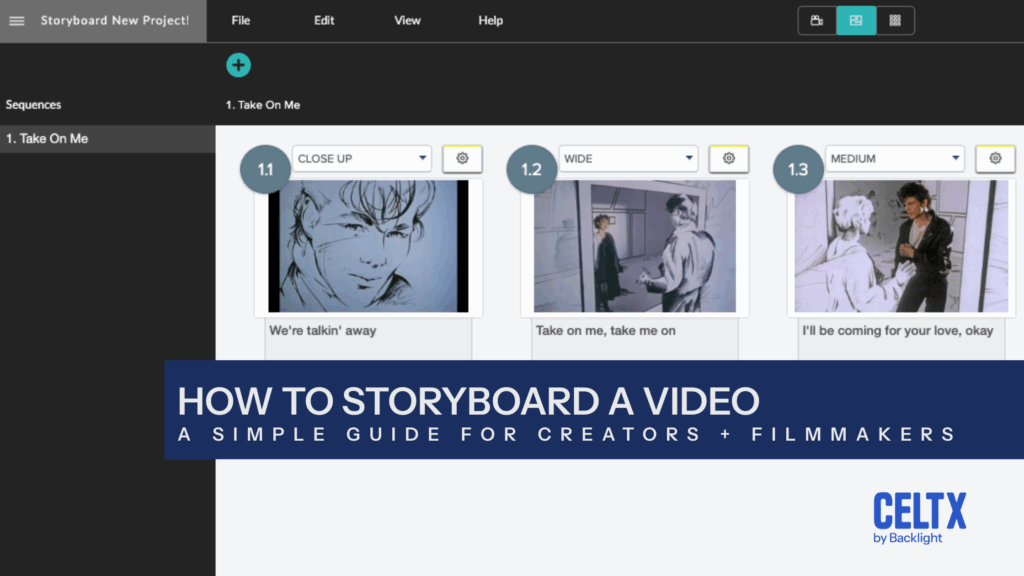
How to Storyboard a Video: A Guide for Creators + Filmmakers
Once your creative brief defines the vision for your project, the next step is translating that vision into visuals. Learn how to create a storyboard that maps out your shots and guides production.